Song Meaning
Jimmie Vaughan's "I Ain't Never" is more than just a blues lament; it's a masterclass in the intoxicating agony of denial. The opening lines, "I ain't never, never seen nobody like you," immediately establish a narrative of infatuation, bordering on obsession. But this isn't a simple love song. The lyrics quickly reveal a pattern of deceit and disappointment. The narrator is stood up, fed "sweet things that you don't mean," and manipulated into actions against his own will. It's a classic blues setup – love gone wrong – yet Vaughan's delivery and the song's structure elevate it. The repetition of "I love you just the same" underscores the painful paradox at the heart of the song meaning: an unwavering affection for someone demonstrably unworthy.
The song's power lies in its depiction of cognitive dissonance. The narrator is fully aware of the toxic dynamic – "You've got me livin' in a haunted dream" – yet remains helplessly devoted. This speaks to a deeper psychological truth about the nature of attraction and the way our minds can rationalize even the most damaging relationships. The question, "What's wrong with you?" posed by concerned friends, highlights the external perception of the situation, contrasting sharply with the narrator's internal justification. He sees something unique and irresistible in this person, something that blinds him to the obvious red flags.
Ultimately, "I Ain't Never" becomes a haunting exploration of self-deception. It's about the stories we tell ourselves to maintain a connection, even when that connection is actively harming us. The sparseness of the lyrics, combined with Vaughan’s understated vocal performance, amplifies the sense of vulnerability and desperation. The brief interjection, "Oh baby, look at you," is particularly telling. It's a moment of raw, unfiltered adoration, a glimpse into the idealized image that the narrator clings to, despite all evidence to the contrary. This Jimmie Vaughan track isn't just a song; it's a psychological study set to a blues rhythm.
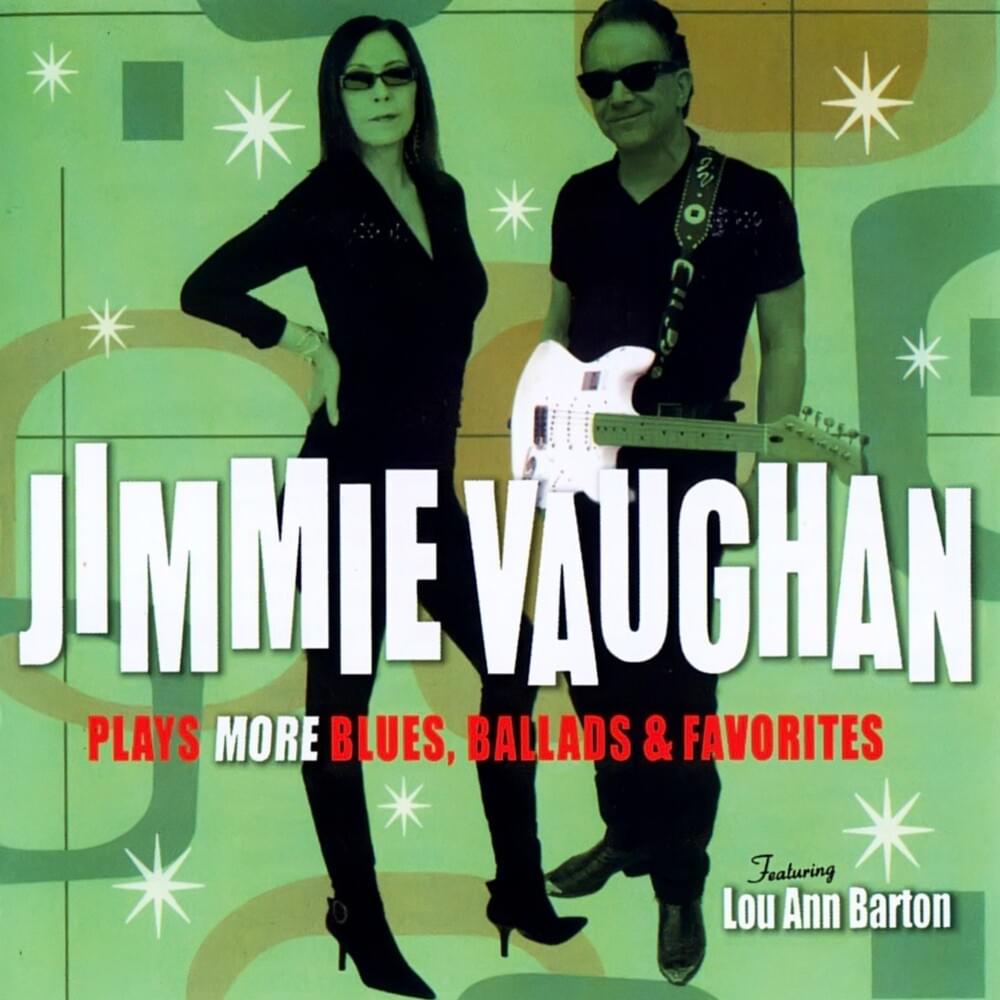
 View Artist