Song Meaning
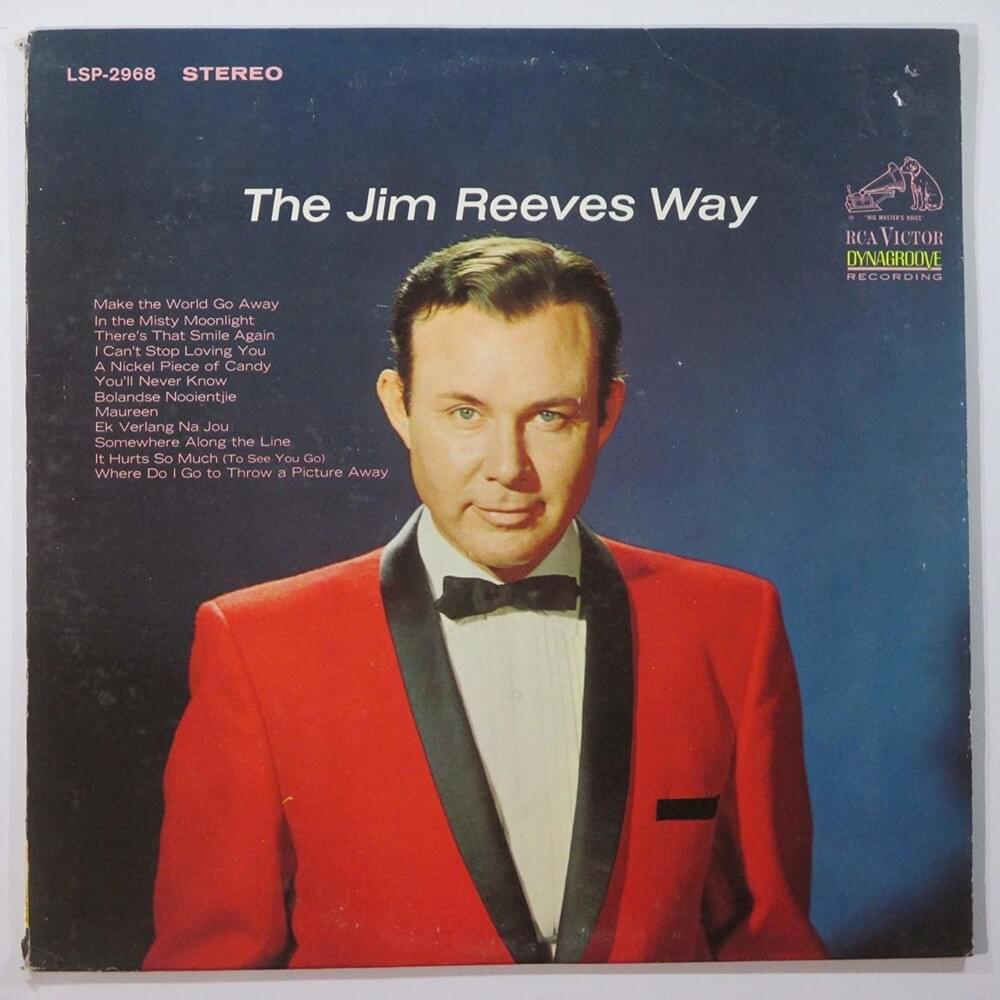
Jim Reeves' "There's That Smile Again" isn't just a country ballad; it's a masterclass in passive aggression disguised as heartbreak. The titular smile, far from being an expression of joy, becomes a recurring symbol of betrayal, a carefully crafted mask worn by a lover who repeatedly inflicts pain. The singer's obsession with this specific facial expression reveals a deep-seated psychological wound. He’s not simply lamenting a lost love; he's fixated on the precise moment of deception, the subtle curvature of the lips that precedes another act of infidelity. It’s almost as if the smile itself holds more power over him than the actual betrayal. The repetition of "I know I shouldn't care" is a classic defense mechanism, a fragile attempt to minimize the emotional damage while simultaneously highlighting its profound impact.
The song's power lies in its exploration of the cyclical nature of toxic relationships. The singer is aware of the pattern – the infidelity, the smile, the heartbreak – yet remains trapped in its orbit. His "hope and pray" for her return suggests a willingness to endure further pain, driven by a desperate need for validation or perhaps a fear of being alone. This isn't a story of innocent love gone wrong; it's an unflinching portrayal of codependency, where the pain of separation is perceived as greater than the pain of repeated betrayal. The almost pleading tone underscores the imbalance of power within the relationship.
Ultimately, "There's That Smile Again" exposes the dark underbelly of romantic obsession. It's a study in how we can become addicted to the very things that destroy us, clinging to fleeting moments of connection even when they're inevitably followed by disappointment. The smile, in this context, becomes a trigger, a Pavlovian signal that elicits both longing and dread. Reeves' delivery, smooth and melancholic, only amplifies the song's unsettling message: sometimes, the most familiar smiles are the ones that hurt the most.
 View Artist