Song Meaning
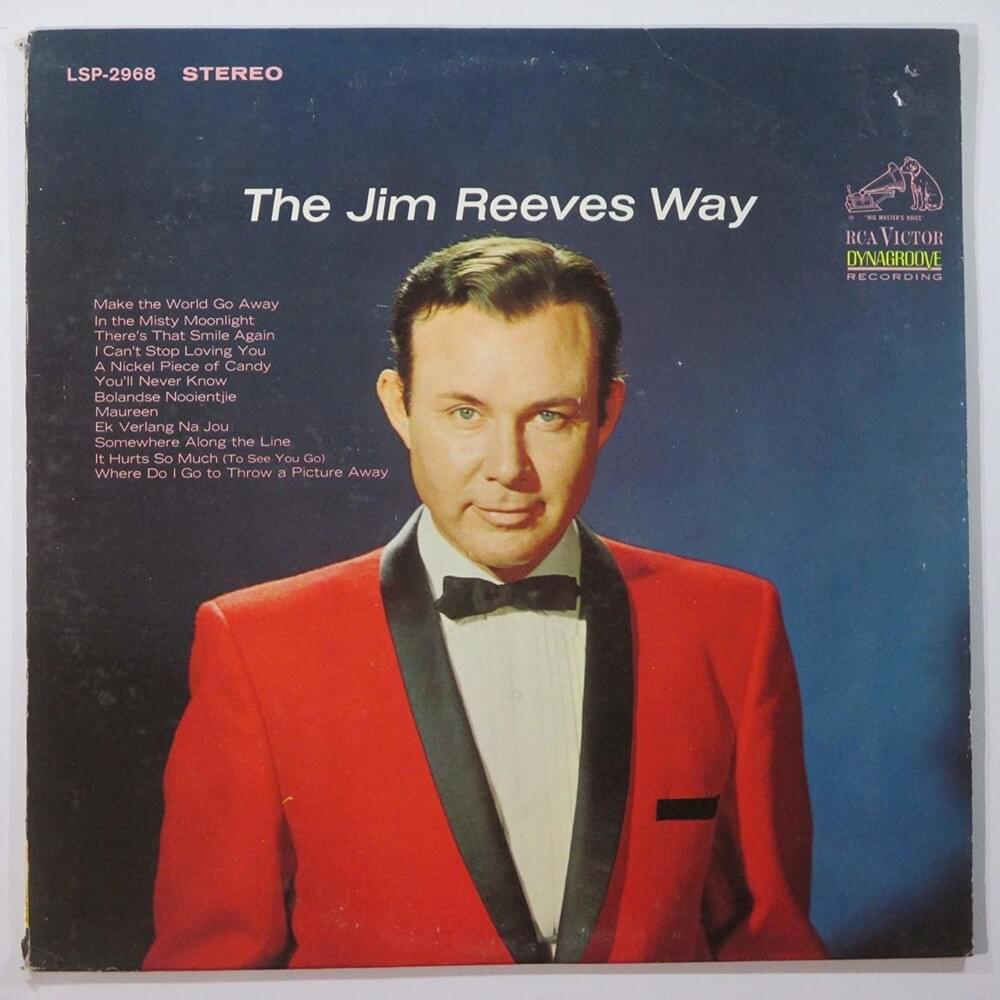
Jim Reeves's "It Hurts So Much (To See You Go)" isn't just another country lament; it's a stark, psychologically raw depiction of love's disintegration. The initial premise – a mutual agreement to part ways in the name of freedom – quickly crumbles under the weight of genuine emotional pain. The approaching 'hour we set for parting' acts as a ticking clock, amplifying the singer's internal conflict. The song's power lies in its unflinching honesty about the gap between intellectual acceptance and visceral heartbreak. It's easy to *say* you want to be free; it's another to confront the agony of that freedom's price. Reeves masterfully uses simple language to convey profound emotional turmoil.
The core of the song meaning resides in the repeated questioning: 'What happened to the love we knew, where did we lose it?' This isn't a blame game, but a desperate, almost childlike plea for understanding. The lyrics paint a picture of a love that was once 'sweet,' now inexplicably transformed into a source of 'heartache.' This disconnect is crucial. The listener gets the sense that the singer is not just mourning the loss of the relationship, but also the loss of the *memory* of what it once was. The bewilderment in his voice suggests a deeper fear: that love itself is inherently transient and unreliable.
The rhetorical questions – 'Why does it have to end this way? What's there to do, what can I say?' – further highlight the singer's sense of helplessness. There's a quiet resignation in these lines, a recognition that logic and reason are powerless in the face of overwhelming emotion. The simplicity of the refrain, 'it hurts so much to see you go,' is deceptively powerful. It's a primal scream distilled into a few, unadorned words. Ultimately, "It Hurts So Much (To See You Go)" captures the universal experience of love's inevitable decay, and the agonizing realization that even the most amicable of partings can leave an unfillable void.
 View Artist