Song Meaning
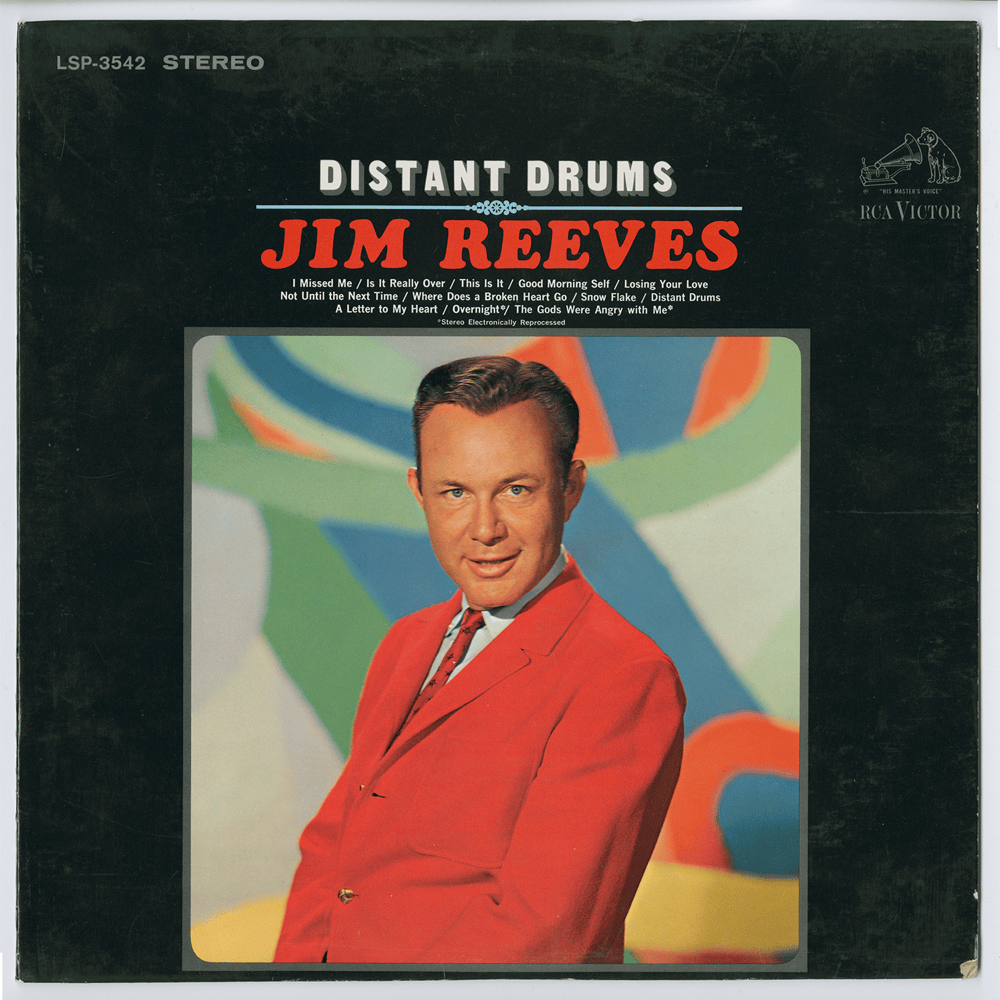
Jim Reeves's "Is It Really Over?" isn't just a country lament; it's a masterclass in denial, a portrait of a man grappling with the unbearable truth that love, once vibrant, is now definitively dead. The opening lines, a desperate plea disguised as a question – "Is it really over, is this the end of the line?" – immediately plunge us into the psyche of someone clinging to the wreckage of a relationship. It's the bargaining stage of grief, articulated with Reeves's signature velvety croon, making the emotional stakes feel even higher. He's not just sad; he's existentially untethered. The repetition of "really" underscores the depth of his disbelief; he’s searching for any loophole, any alternate reality where the impending loss isn't permanent. The request, "If you're really leaving, take some part of me," moves beyond simple heartbreak into something akin to self-annihilation. He'd rather be incomplete, a living memento of what was, than face a future devoid of her presence.
The song's core anxiety isn't solely about the loss itself, but the looming specter of replacement. The line, "I wonder who's stepping into my shoes, who can he be?" lays bare the insecurity and paranoia that often accompany the end of a relationship. It's a primal fear of being rendered obsolete, of someone else inheriting the intimate space that was once exclusively his. This isn't just about romantic jealousy; it’s a challenge to his identity, his worth as a partner. The musical arrangement, typical of Reeves's style, only amplifies the emotional weight of the lyrics. The smooth, almost saccharine melody creates a stark contrast with the raw vulnerability of the words, highlighting the inner turmoil masked by a veneer of composure.
Ultimately, "Is It Really Over?" transcends the typical breakup song trope. It's a study of the human condition, exploring our innate resistance to change and our desperate attempts to control the uncontrollable. The final, drawn-out declaration, "Really over for me…," isn't a moment of acceptance but a defeated echo, a lingering question mark hanging in the air. It's a testament to Reeves's ability to tap into the universal anxieties of love and loss, solidifying the song's place as a timeless exploration of heartbreak's psychological toll.
 View Artist