Song Meaning
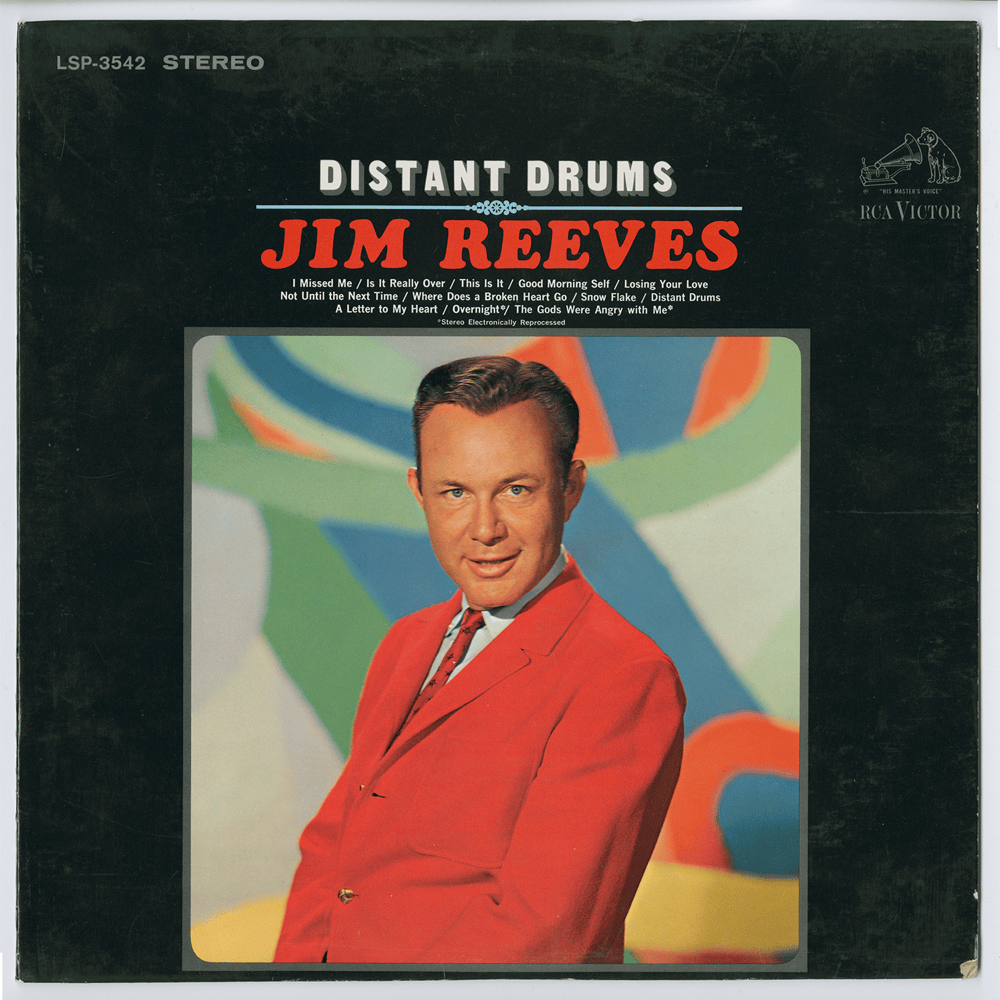
{"song_id": 10647258, "meaning": "Jim Reeves' \"Doucement\" isn't just a country ballad; it's a brutal psychological autopsy of a breakup, performed on the self. The premise is simple: a man confronts himself in the aftermath of a relationship-ending argument. But the genius lies in the fractured perspective. Reeves splits his persona, addressing his \"self\" as a separate entity, a co-conspirator in the relationship's demise. This isn't a lament sung from the heart, but a cold, almost clinical examination of the ego and its destructive tendencies. The opening lines, \"Good morning self, how do you feel this morning? / I must admit you don't look so pretty good,\" are dripping with sardonic detachment.
The song's power comes from its unflinching honesty. There's no attempt to soften the blow or deflect blame. The lyrics lay bare the speaker's culpability: \"What made you say the things you said to your darling last night?\" The repeated phrase \"good morning self\" becomes a bitter, accusatory refrain, a daily reminder of the damage inflicted. It's a ritualistic self-flagellation, a forced confrontation with the consequences of one's actions. The speaker acknowledges his role in the breakup, admitting, \"You're the only one to blame, but we both must share the pain.\" This shared pain is the core of the song’s emotional weight, highlighting the inescapable connection between the conscious and subconscious self.
\"Doucement\" transcends the typical breakup song because it delves into the internal landscape of regret and accountability. It's a stark portrayal of how the self can be both the perpetrator and the victim, trapped in a cycle of recrimination and sorrow. The sparseness of the arrangement only amplifies the lyrical content. It's not about grand gestures or soaring melodies; it's about the quiet, agonizing process of facing the wreckage within. The song offers no easy resolution, no promise of healing. It simply leaves us with the lingering echo of \"good morning self,\" a chilling reminder of the internal battles we all wage, often against ourselves."}
 View Artist