Song Meaning
Jim Reeves' "I'll Always Love You" isn't a simple declaration of enduring affection; it's a poignant, almost unsettling exploration of idealized love frozen in time. The lyrics repeatedly evoke a past relationship, comparing the present to a nostalgic, perhaps unrealistic, memory. The repeated phrase "like I used to love you" suggests a disconnect, a longing for a former intensity that may no longer exist. The image of the "little girl" with blue eyes and curls hints at a desire to recapture a youthful innocence, maybe even a power imbalance inherent in the relationship's foundation. This isn't necessarily about romantic love as a shared journey, but about the preservation of a personal, internal image. It raises questions about how time and reality impact relationships and whether we truly love the person or a ghost of who they once were.
The lyrics also touch on themes of commitment and fidelity, echoing traditional wedding vows: "We'll love honor and obey / Till death do us part." However, even these promises are framed within the context of the past, raising a subtle doubt. Is this a genuine pledge or a desperate attempt to hold onto the fading embers of a once-vibrant connection? The repetition of "I'll always want you like I used to want you" is particularly telling. Desire, unlike love, can be fleeting and based on physical attraction. By linking present desire to a past infatuation, Reeves exposes a vulnerability, a fear that the spark has diminished.
Ultimately, the song meaning of "I'll Always Love You" lies in its bittersweet recognition of love's complexities. It acknowledges the power of memory, the allure of the past, and the challenge of maintaining passion and commitment in the face of time's relentless march. The enduring appeal of Jim Reeves might stem from his ability to articulate these quiet anxieties, transforming personal longing into a shared experience that resonates deeply with listeners.
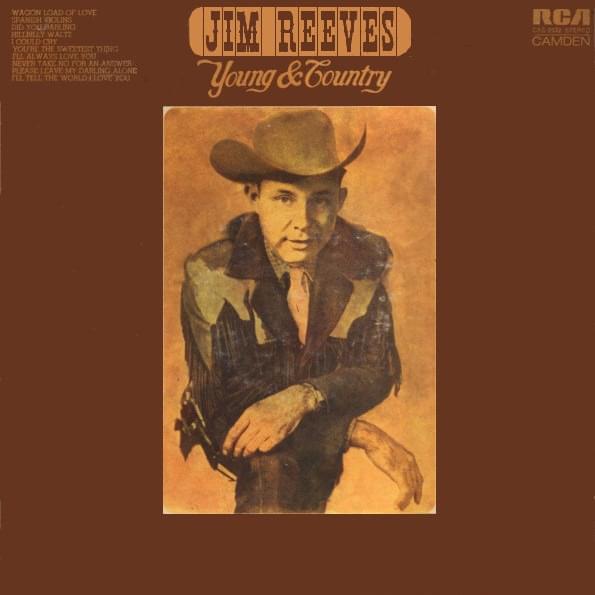
 View Artist