Song Meaning
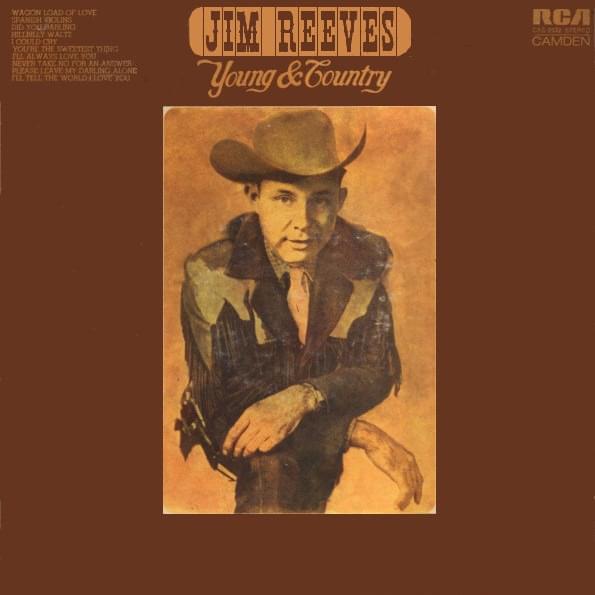
Jim Reeves' "Did You Darling" isn't a bombastic accusation, but rather a masterclass in quiet desperation, a slow-burning ember of doubt disguised as a tender inquiry. The song circles the agonizing question of infidelity, not with rage, but with a fragile hope that the answer might somehow still be 'no'. The narrator is caught in a psychological vise, torn between the fierce loyalty he wants to feel and the insidious seed of suspicion planted by a 'friend'. He clings to the belief in his lover's fidelity, building a bulwark against the vivid image painted by the friend's account: laughter, smiles, and those damning 'devil' eyes hinting at a past flame rekindled. It's a portrait of betrayal rendered with the subtlety of a watercolor, yet potent enough to unravel the narrator's carefully constructed reality.
The genius of the song lies in its restraint. Reeves doesn't unleash a torrent of accusations; instead, he repeatedly asks, "Did you, darling, did you?" This gentle repetition underscores the fragility of his ego and the immensity of what's at stake. The lyrics reveal a man deeply vulnerable, aware that even the whisper of infidelity can shatter the foundation of his love. He's not demanding proof; he's seeking reassurance, a lifeline to pull him back from the brink of despair. The phrase "I love you too much to believe a careless rumor" is both a declaration of devotion and a desperate plea to believe in the impossible.
Ultimately, "Did You Darling" exposes the internal conflict that festers when trust is compromised. It's not about the act of infidelity itself, but the psychological torment of uncertainty. The narrator is trapped in a loop of denial and suspicion, a purgatory where the truth remains elusive. The song's power resides in its ability to capture the raw, exposed nerve of a lover grappling with doubt, making it a timeless exploration of the delicate balance between faith and fear in matters of the heart. The listener never learns the truth, and perhaps that's the most haunting aspect of all. The question lingers, unresolved, a testament to the enduring power of suspicion to poison even the deepest love.
 View Artist