Song Meaning
The lyrics paint a picture of someone grappling with the passage of time and the erosion of memory. The opening lines, "Tape over tape / And over time," immediately establish a sense of layering and obscuring, suggesting that experiences and perhaps even the self are being covered up or altered. This creates a central tension: the narrator is fixated on the "before and after," yet the very act of time passing makes these distinctions blur, leading to a feeling of being lost or undefined.
The core conflict lies in the narrator's struggle with letting go and accepting change. There's a paradoxical admission: "It's not hard / Letting go / But it's hard / Even so." This highlights an internal resistance, a difficulty in truly moving on despite an intellectual understanding that it shouldn't be difficult. The repeated advice from another voice, "Come here and sit down / Don't try to own it all" or "Don't try to figure it out," suggests a plea for acceptance and a relinquishing of control over the narrative of their own past and present.
A particularly striking element is the contrast between "stealing woe" and "stealing the show." The former, though perhaps unhealthy, seems easier for the narrator, implying a comfort or familiarity with sadness. The latter, however, represents a desire for something more, perhaps a vibrant present or a successful outward presentation, which proves elusive. This is underscored by the stark self-assessment: "when I'm hard, jaded and stark / Naked let's face it, I'm falling apart," a raw admission of internal breakdown that clashes with the implied struggle to "steal the show."
Ultimately, the effectiveness of these lyrics stems from their honest portrayal of internal contradiction and the quiet desperation of someone overwhelmed by their own history. The simple, almost conversational structure, punctuated by the repeated, calming-yet-firm directive to "sit down," creates a palpable sense of emotional fatigue and the struggle for self-understanding. The narrator's repeated "I know / I know / I know / I should know better" is a poignant expression of self-awareness without the power to change, making the internal conflict deeply resonant.
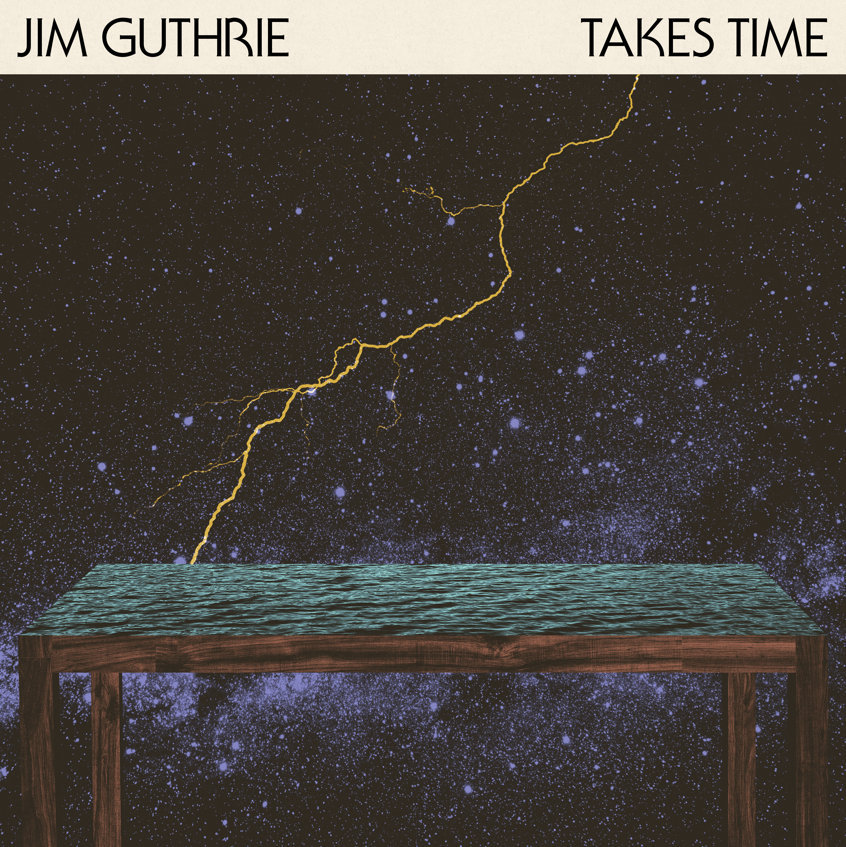
 View Artist