Song Meaning
The lyrics paint a picture of irreversible change and a longing for a lost past. A ringing phone and the stark declaration "You can never go back home" immediately establish a sense of finality, suggesting a departure that's permanent. The narrator seems to be grappling with this reality, finding solace in a specific, personal memory of "St. Henry" and the idea of taking someone there, a place that feels "dear and personal." This yearning is contrasted with a present state of "laying around," hinting at a stagnation or helplessness.
The central tension lies in the inability to return and the struggle to create meaning from absence. The recurring question, "Can you make something out of nothing?" underscores this difficulty, especially as the narrator anticipates a return home marked by "Grey autumn blues." The imagery of the "first leaf falls" specifically for a loved one suggests that even in this melancholic return, the focus remains on a particular person, highlighting a deep, personal connection amidst the general sense of loss.
The lyrics employ striking, almost violent, metaphors to articulate the necessity of certain relationships or states of being. The assertion that "a forest needs a fire / Like the fire needs the tree" and "a theif needs a diamond / Like the diamond needs a theif" powerfully conveys a sense of mutual dependence, where destruction and acquisition are framed as essential, almost natural, processes. This is further amplified by the disorienting advice to "pluck out your eyes blue / So sight can't betray you," suggesting that true understanding or connection might come from abandoning conventional perception and embracing what is felt or heard instead.
This writing is effective because it uses stark, often unsettling, imagery to articulate complex emotional states. The juxtaposition of tangible memories like "St. Henry" with abstract concepts like "nothing" and the visceral metaphors of fire and theft create a potent emotional landscape. The narrator's focus on personal connection, even within themes of loss and impossibility, makes the abstract feelings of change and absence feel deeply, "near and personal."
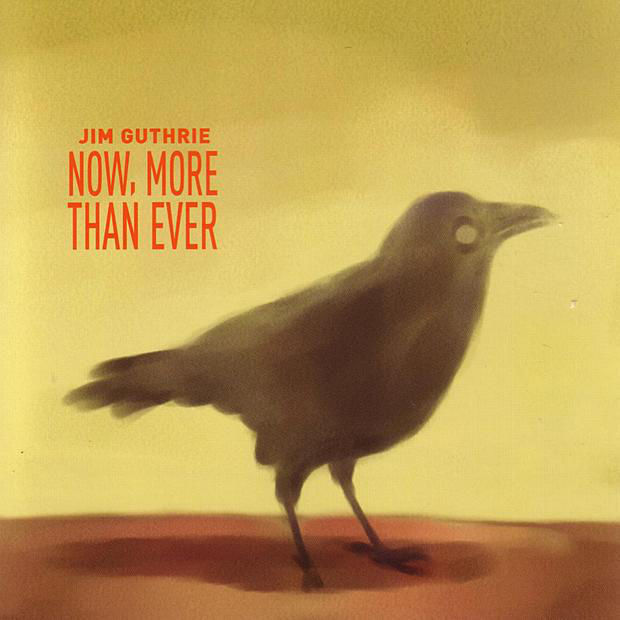
 View Artist