Song Meaning
The narrator is attempting a drastic act of catharsis, literally burning remnants of a past relationship. The immediate goal is to feel better and, crucially, to stop wanting the person who is the subject of these mementos. This act is framed as a desperate measure, a hope that the physical destruction of the past will somehow erase the emotional hold it still has.
The central tension lies in the conflict between the desire for freedom and the persistent grip of memory. While the narrator declares their heart no longer matters and that they can't live on memories alone, the repeated chorus, "Memories of you that I can't lose," directly contradicts this assertion. The act of burning is an attempt to sever ties, yet the lyrics suggest the memories are proving stubbornly resilient, clinging even as they are consumed by flames.
The most striking aspect of the craft is the potent imagery of fire and smoke as a metaphor for emotional purging. The narrator hopes that "when the smoke is gone, I won't want you" and later, "then I'll be free." This literalization of emotional release, where the physical act of burning is expected to yield emotional freedom, highlights the intensity of the narrator's pain and their yearning for an end to it. The repetition of "Burning memories" in the chorus amplifies the obsessive nature of this struggle.
These lyrics hit hard because they tap into the universal experience of trying to move on from a painful breakup. The narrator's active, almost violent, attempt to erase the past through burning is a visceral portrayal of desperation. The contrast between the expressed desire for freedom and the acknowledgment that the memories are hard to lose creates a raw, relatable emotional landscape, making the narrator's struggle feel palpable and deeply felt.
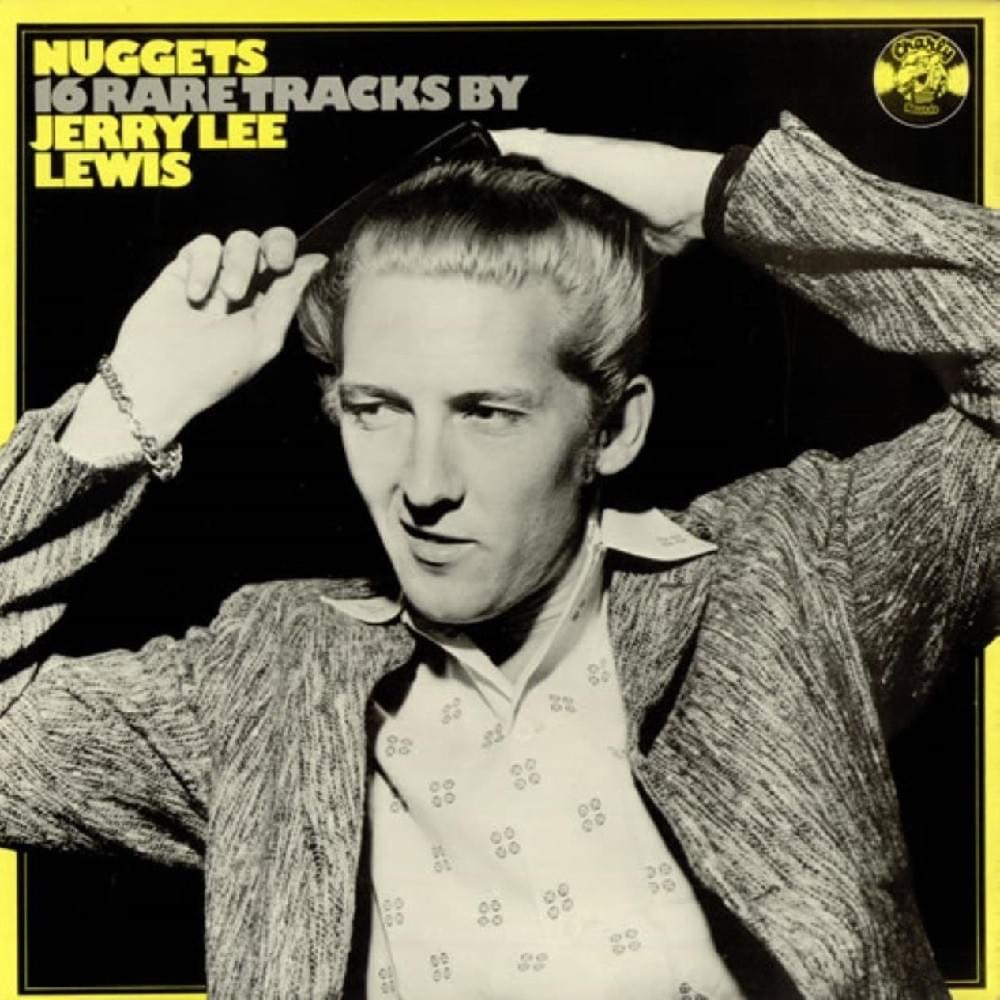
 View Artist