Song Meaning
The narrator is caught in a spiral of perceived failure, where every word and action seems to backfire, leading directly to the end of a relationship. The dominant tone is one of resigned despair, a sense of inevitability as their 'honey' delivers the final blow. The repeated assertion that 'Ev'rything I say, is wrong / Ev'ry'thing I do, goes wrong' establishes a self-defeating narrative that frames the breakup not as a specific conflict, but as a consequence of inherent personal flaws.
The central tension arises from the stark contrast between the narrator's past devotion, 'I once was your sweetheart,' and the current reality of being replaced, 'Now you found a new sweetheart.' This shift fuels a painful acceptance, as the narrator acknowledges the end with 'Hate to see ya break my heart / But if you must go, then go.' The emotional weight comes from this forced surrender to a situation that feels beyond their control, amplified by the declaration that there are 'no more dreams to dream' and 'no more tears to cry.'
The most striking craft element is the stark, almost childlike simplicity of the refrain, 'Baby baby, bye bye.' This phrase, repeated with increasing finality, cuts through the narrator's self-recrimination and sorrow. It’s a blunt, unadorned dismissal that mirrors the finality of the breakup itself. The repetition of 'I'll do my best to, get by' in the later verses, juxtaposed with the enduring claim 'I'll love you'til I die,' highlights a lingering, perhaps futile, commitment against the backdrop of abandonment.
These lyrics hit hard because they tap into the universal feeling of helplessness when a relationship ends, particularly when the narrator feels personally responsible for its demise. The direct, unembellished language, especially the iconic 'Baby baby, bye bye,' creates a raw emotional impact. It’s the sound of someone stripped bare, left with nothing but the echo of a goodbye and the quiet struggle to simply 'get by.'
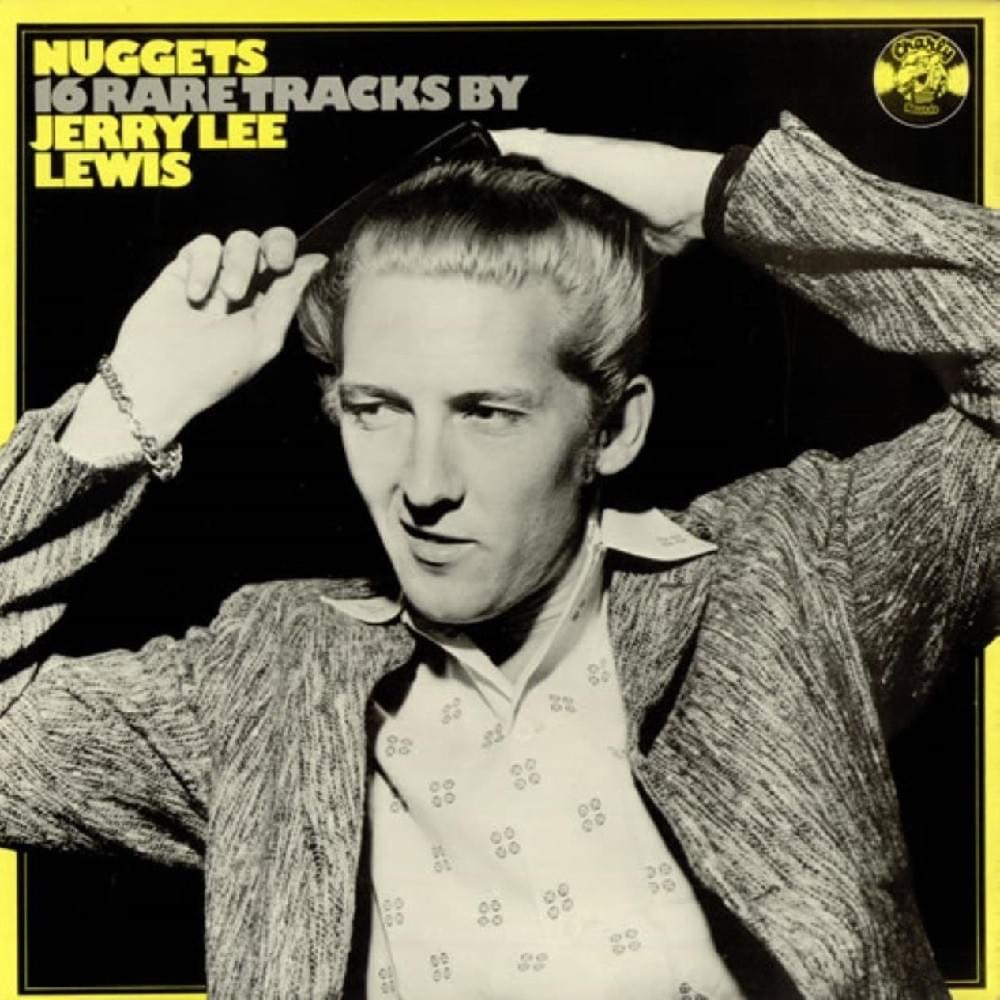
 View Artist