Song Meaning
Jerry Lawson's "Peace Like A River" isn't a gentle stream; it's a defiant current pushing against the levee of oppression. The opening lines paint a picture of a city under duress, existing under the pall of midnight curfews, yet finding a strange, almost serene satisfaction within those constrained circumstances. This isn't naive optimism; it's the quiet resilience born of shared experience, a collective understanding that transcends the "mis-information" deliberately sown to confuse and control. The "peace" isn't the absence of conflict, but an internal fortitude forged in its presence. It's the kind of peace that comes from knowing you're on the right side of history, even when history itself seems to be against you. Lawson's lyrics hint at a deeper, unspoken understanding, a shared knowledge that binds the community.
The core of the song's meaning lies in the repeated hook: "You can beat us with wires / You can beat us with chains / You can run out your rules / But you know you can't out run the history train." This isn't a passive plea for mercy; it's a bold declaration of historical inevitability. It acknowledges the immediate pain and suffering inflicted by oppressors, the physical and systemic violence, but asserts that these tactics are ultimately futile. The "history train" is an unstoppable force, powered by truth and justice, destined to overtake those who attempt to derail it. The "glorious days" already witnessed serve as a reminder of past victories and a source of hope for the future.
The final verse, with its solitary awakening at "four in the morning," shifts the focus inward. The inability to return to sleep suggests a restless spirit, a mind grappling with the weight of the world. However, there's no despair here, only a quiet determination: "I'm reconciled / I'm gonna be up for a while." This isn't just insomnia; it's a conscious choice to stay awake, to remain vigilant, to bear witness. The repetition of "I'm gonna be up for a while" reinforces the commitment to enduring, to staying present in the face of adversity. Ultimately, "Peace Like A River" is a testament to the enduring power of the human spirit, its capacity to find solace and strength even in the darkest of times.
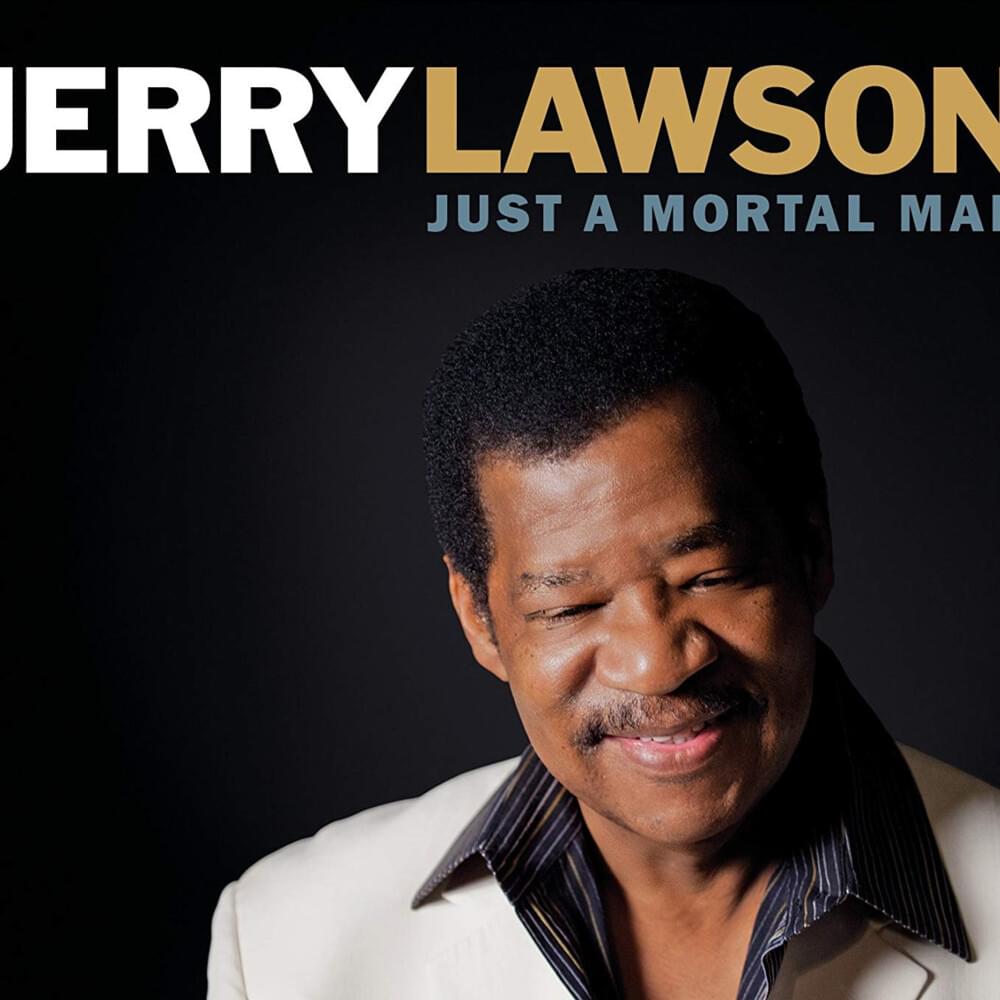
 View Artist