Song Meaning
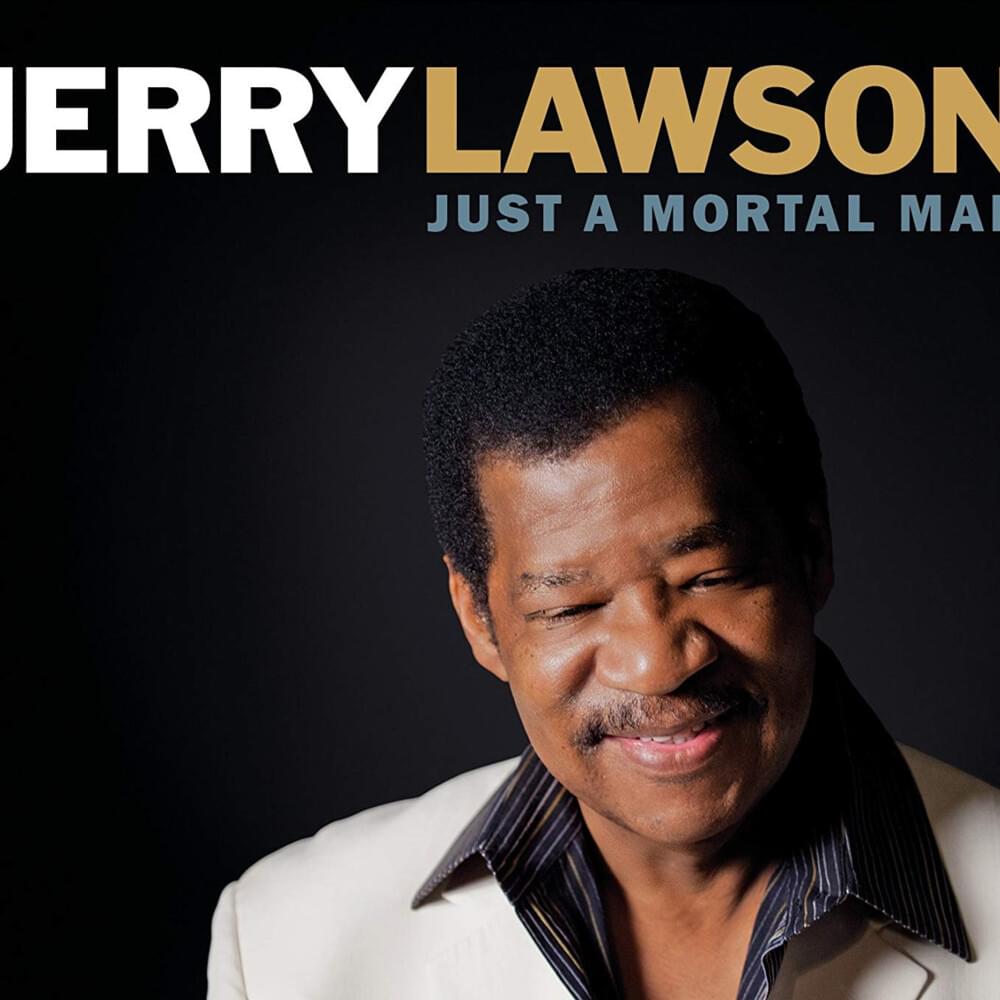
{"song_id": 13375145, "meaning": "Jerry Lawson's live rendition of \"I'll Come Running Back to You\" is a masterclass in distilled longing, a public unraveling of pride at the altar of lost love. The song meaning hinges on that central tension: the man who once held himself as a king, now dethroned by his own actions, reduced to a supplicant. The opening lines, \"Folks say that you found somebody new / To the things I used to do for you,\" aren't delivered with anger or resentment, but with a weary acceptance, a recognition of the natural consequences of his neglect. It's the sound of a man realizing too late that his kingdom was built on sand. He’s hearing it through the grapevine, confirming his worst fears.
The brilliance of \"I'll Come Running Back to You\" lies in its stark simplicity. There are no elaborate metaphors or overwrought pronouncements, just a raw, almost embarrassing admission of need. The repeated hook, \"Just call my name, I'm not ashamed / I'll come running to you,\" is both pathetic and profoundly human. It's a complete surrender of ego, a willingness to abandon all pretense of dignity for a chance at redemption. He's not just offering to return; he's promising immediate, unconditional availability. The lyrics analysis reveals a man haunted by regret.
The pre-hook, with its imagery of a fallen king, is particularly insightful. \"Just like a king I've lost everything / Now I sit all alone on my throne\" encapsulates the psychological core of the song. He acknowledges his past arrogance and the isolating effect it had on his relationship. The line, \"I've got my pride deep down inside / I'm your, I'm your alone,\" is a desperate attempt to reconcile his former self with his current vulnerability. He still clings to a shred of pride, but it's now inextricably linked to his dependence on the woman he lost. He tries to convince himself he has no regrets, but the music betrays him. Jerry Lawson isn't just singing a song; he's laying bare the fragile, often contradictory nature of the human heart."}
 View Artist