Song Meaning
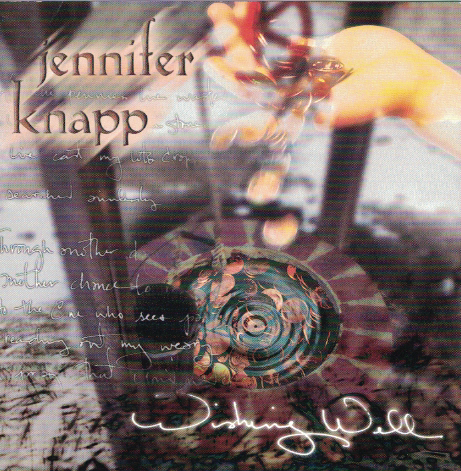
Jennifer Knapp's "Trinity" isn't just a song; it's a raw, internal battle rendered in sound. The opening lines, "You in the mirror starin' back at me / Oh, conscience let me be," immediately establish a conflict between the singer and her own moral compass. This isn't a simple hymn of praise, but a struggle for self-acceptance and spiritual reconciliation. Knapp wrestles with the concept of purity and defilement, suggesting a deep-seated fear of being found wanting. The lyrics hint at a past marked by actions or thoughts that she perceives as impure, leading to a crisis of faith. The repeated plea, "Holy Spirit, won't You say a prayer for me?," underscores this vulnerability and desire for divine intervention. The repeated idea of a defiled conscience further emphasizes the psychological weight of guilt and self-doubt.
The core of "Trinity" lies in its exploration of grace and redemption. The reference to "the blood of the lamb" and the promise of Calvary are not mere religious platitudes. They represent a lifeline, a hope for forgiveness and a clean slate. The lyrics tap into a universal human desire to escape the burdens of the past and find solace in a higher power. Knapp's vulnerability is palpable as she begs for a "clean heart" and a "steadfast spirit." This isn't a declaration of unwavering faith, but a testament to the power of hope in the face of profound self-doubt. The song acknowledges the distance between aspiration and reality. It is an honest appraisal of the self in relation to faith.
Ultimately, the song's meaning resides in its honesty. Knapp doesn't shy away from the internal conflict that often accompanies faith. The song concludes with a powerful affirmation of faith and praise, but it's a praise born from struggle, not blind acceptance. The final verse, a call to "raise your hands sing praises to the Lord," is uplifting yet grounded in the preceding verses' self-examination. This isn't just a celebration of divine power, but an acknowledgement of the transformative potential of faith in the face of personal failings. The song is a testament to Knapp's artistry and her ability to translate complex emotional and spiritual experiences into music that resonates with anyone grappling with their own inner demons.
 View Artist