Song Meaning
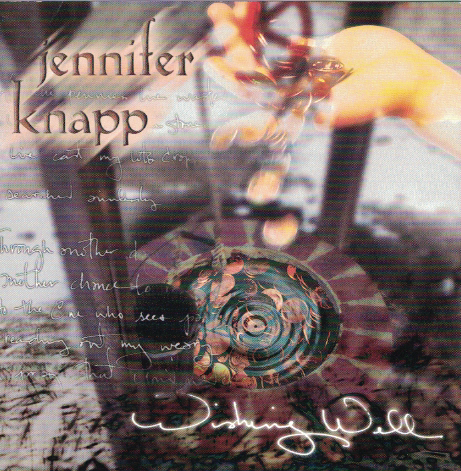
Jennifer Knapp's rendition of "Jesus Loves Me" isn't just a simple children's hymn; it's a stark, almost unnerving exploration of faith as both refuge and battlefield. The direct simplicity of the lyrics – 'Jesus loves me, this I know / For the Bible tells me so' – immediately establishes a childlike trust, a foundational belief absorbed without question. But Knapp's delivery, paired with the song's inherent structure, hints at something far more complex: the struggle to maintain that initial, unblemished faith in the face of adult realities. The repetition of 'Alleluhia' feels less like joyous praise and more like a desperate mantra, a repeated affirmation against encroaching doubt.
The second verse introduces the sacrificial aspect of faith: 'Jesus loves me, He who died / Heaven's gates are open wide.' This isn't just about comfort; it's about atonement, about acknowledging inherent sinfulness and the need for redemption. The line 'He will take away my sin / And let this little child come in' suggests a desire to return to that state of innocent belief, to shed the weight of experience and be accepted unconditionally. It's a yearning for absolution, a theme that resonates deeply within the human psyche.
However, the bridge shifts the perspective, injecting a sense of personal responsibility and active participation: 'Do you love Him, does He know? / Have you ever told Him so?' This moves beyond passive acceptance to demand conscious engagement with faith. The subsequent lines – 'So, help me run the race before me / Strong and brave to face my foe' – transform the song into a plea for strength, a recognition that faith isn't just a comfort but a source of resilience in the face of adversity. The interpolation of "Amazing Grace" reinforces this idea. The song, therefore, functions on multiple levels: as a nostalgic echo of childhood innocence, a confession of human fallibility, and a determined call for inner strength rooted in belief. It’s a raw, unflinching look at the ongoing negotiation between faith and the self.
 View Artist