Song Meaning
Jenni Rivera's "Mi Gusto Es" isn't just a song; it's a defiant declaration of desire, a middle finger to societal norms, and a testament to the intoxicating power of personal choice. The core phrase, "Mi gusto es," translates to "It is my pleasure" or "It is my taste," and Rivera wields it as both a shield and a weapon. It's an anthem for anyone who's ever been told who to love, how to love, or why their love is somehow wrong. The repeated insistence that only God can take this "gusto" away underscores the almost spiritual significance she attaches to her feelings. This isn't mere infatuation; it's a fundamental aspect of her being. The phrase "topen eso" which is repeated throughout the song is a command for others to deal with her pleasure.
The controversial element, hinted at in the lyrics, lies in the age dynamic: "El amarte jovencito" ("loving you, young man"). This is where the song transcends simple romance and enters the realm of taboo. Rivera doesn't shy away from the potential scandal; instead, she embraces it, daring anyone to challenge her agency. The line "Aunque me den de balazos" ("Even if they shoot me") isn't literal, but it amplifies the intensity, suggesting that she is willing to face severe consequences or social disapproval for her love. This isn't just about a younger lover; it's about a woman claiming ownership of her sexuality and desires in a culture that often seeks to control them.
Ultimately, "Mi Gusto Es" is a powerful statement about autonomy and the right to pursue happiness on one's own terms. The repetition of key phrases reinforces the unwavering nature of her commitment. Jenni Rivera, through this song, becomes an icon of unapologetic self-expression, reminding us that our desires, however unconventional, are valid and worthy of defense. The song isn't just a confession; it's a challenge, a call to arms for anyone who's ever felt marginalized for their choices in love and life.
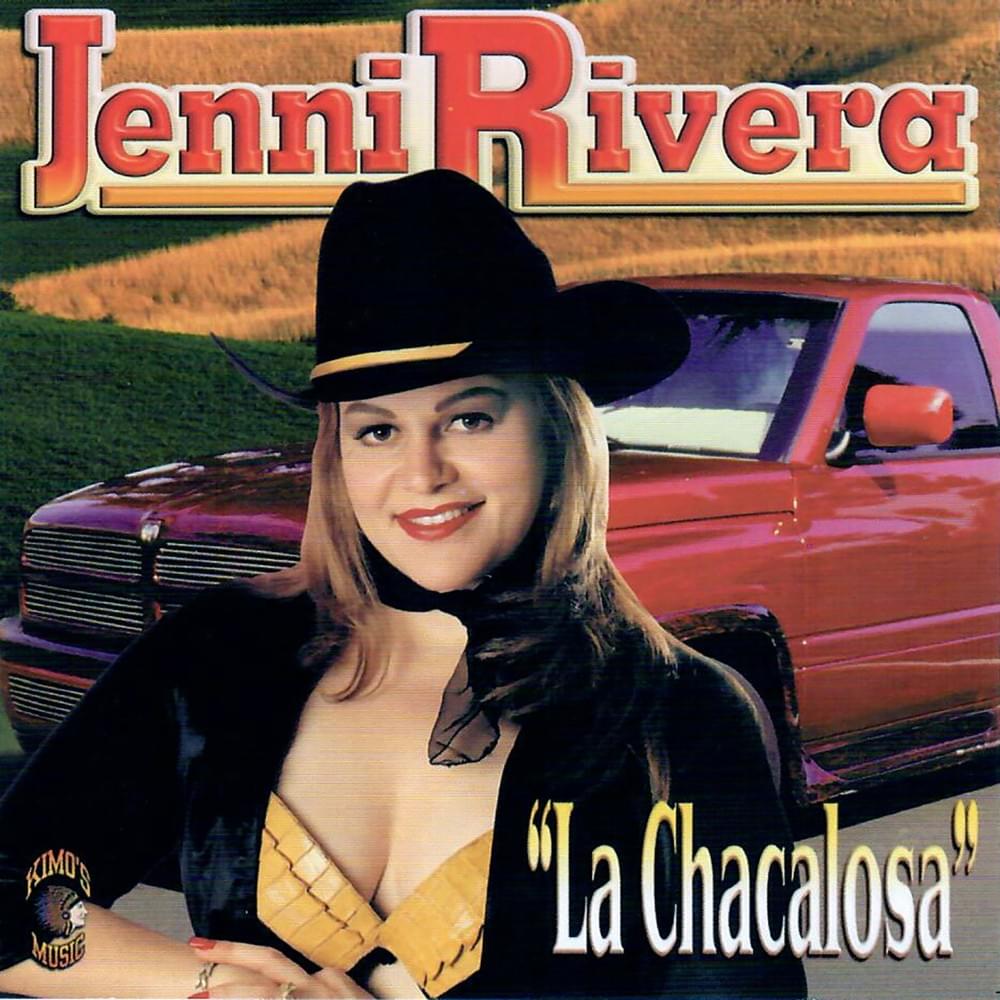
 View Artist