Song Meaning
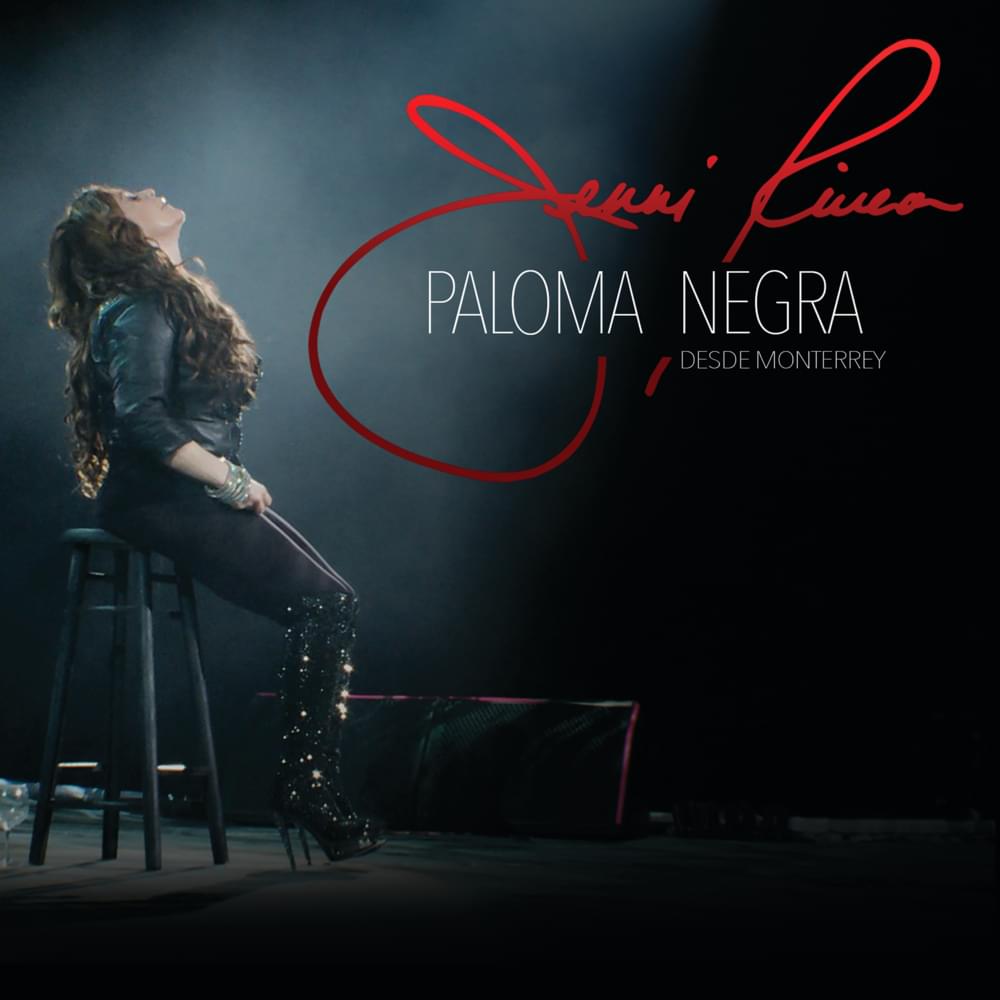
{"song_id": 14504461, "meaning": "Jenni Rivera's \"Paloma Negra\" isn't just a song; it's a raw, exposed nerve of a corazón partido. The lyrics paint a portrait of a woman caught in the agonizing push-and-pull of toxic love. We hear the exhaustion in her voice – 'Ya me canso de llorar y no amanece' – a lament that bleeds into the listener's soul. It's a space where resentment and desperate longing coexist, a psychological battlefield where she can't decide whether to curse her lover or pray for them. The 'paloma negra' (black dove) becomes a symbol of this elusive, dark-winged freedom the subject craves, yet is simultaneously chained to. The fear of discovering the partner's infidelity is almost as paralyzing as the thought of never seeing them again.
The genius of Rivera's interpretation lies in the tension between wanting to escape and the inability to do so. She recognizes the destructive pattern – the 'clavo de mi penar' (nails of my suffering) – yet her eyes, her very being, wither without the object of her affection. The chorus, a desperate plea to the 'paloma negra,' underscores this paradox. It's a challenge, a lament, and a possessive claim all rolled into one. The listener understands this isn't simply about infidelity; it's about a fundamental betrayal of trust and the erosion of self-worth.
Ultimately, \"Paloma Negra\" resonates because it captures the universal struggle to break free from destructive relationships. The singer's pain is palpable. Calling the 'paloma negra' the 'reja de un penar' (the bars of suffering) reveals the core of the song meaning: that the object of affection, the one who should bring joy, has become the very prison that holds her captive. The outro's repetition of the lover's 'parrandas' (revelries) twists the knife, a stark reminder of the freedom enjoyed by one at the expense of the other's torment. The song isn't just about lost love; it's about the fight to reclaim one's own spirit."}
 View Artist