Song Meaning
Jenni Rivera's "Embárgame a Mi" isn't just a song; it's a masterclass in emotional economics. The track revolves around a central, stark confession: "Debo no niego, pago no tengo" – I owe, I don't deny it, but I have nothing to pay with. This brutal honesty forms the crux of a relationship collapsing under the weight of its debts, both literal and metaphorical. Rivera isn't singing about money, not really. She's dissecting the imbalance of power when love becomes a transaction, a ledger of favors and expectations gone awry. The repeated plea, "Embárgame a mi" (Seize me), is not a surrender, but a challenge. It's a declaration that she has nothing left to offer but herself, daring the other party to extract whatever value remains. There is a sense of desperation in her voice, but also a fierce pride, a refusal to be further diminished by the situation.
The raw emotionality of "Embárgame a Mi" stems from its unflinching portrayal of vulnerability. Rivera acknowledges the "cariño de mas" (excessive affection) she received, admitting her debt. But the power dynamic shifts as she lays bare her inability to reciprocate in kind. The lines "Que te puedes llevar de valor si nada tengo / Que te puede comprar mi dolor para venderlo" (What of value can you take if I have nothing? / What can buy my pain to sell it?) cut to the core of the issue. She questions the very nature of emotional exchange, exposing the hollowness of trying to quantify and commodify feelings. This is about more than just a breakup; it's an indictment of a society that reduces human connection to a series of transactions.
Ultimately, the song meaning of "Embárgame a Mi" resides in its exploration of sacrifice and self-worth. Rivera isn't simply offering herself as collateral; she's forcing a reckoning. She's challenging the listener (and her former lover) to confront the true cost of their demands. The song resonates because it taps into a universal fear: the fear of being indebted, of being unable to repay the emotional debts we accumulate in our relationships. It's a powerful statement about the limits of love, and the strength it takes to face the consequences when the emotional bank is bankrupt.
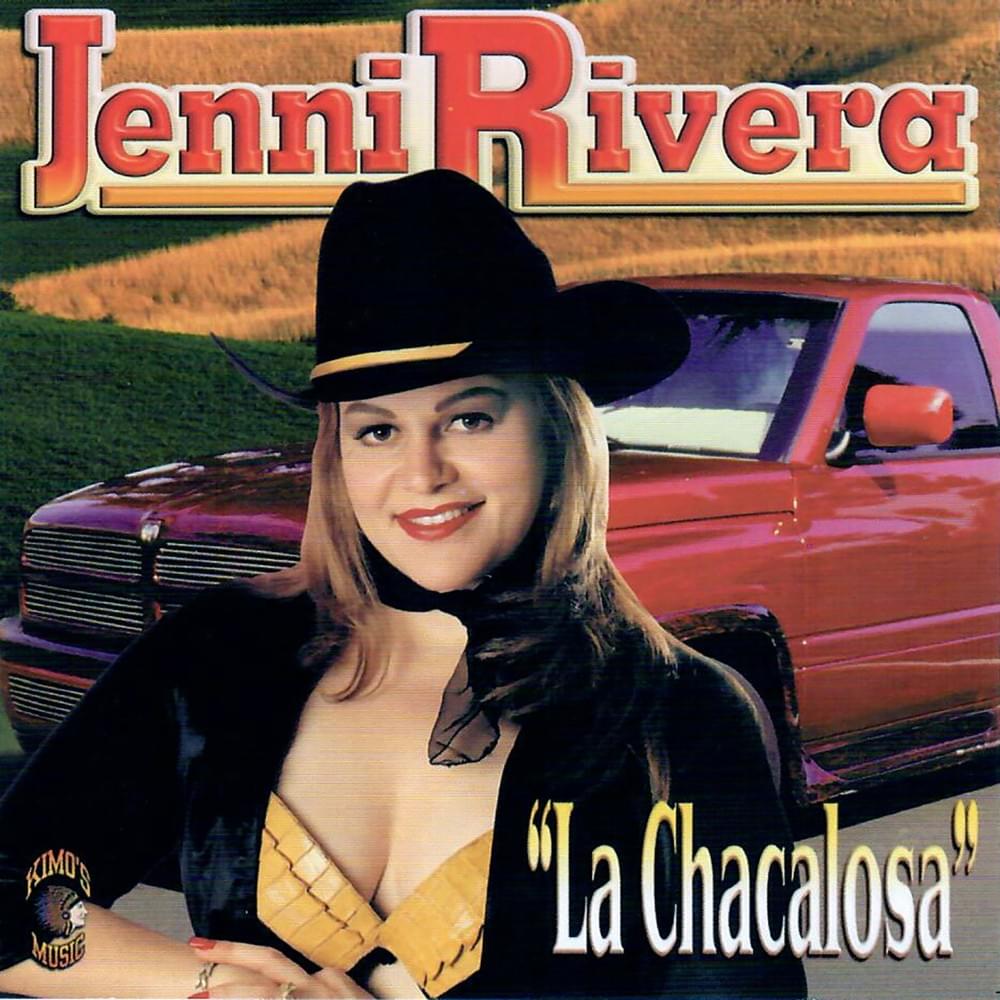
 View Artist