Song Meaning
Jenni Rivera's "Amor Prohibido" plunges headfirst into the agonizing paradox of forbidden love, a theme as old as time yet eternally resonant. The song meaning isn't shrouded in mystery; it's a raw, open-hearted lament about a love that society, fate, or circumstance deems impossible. The directness of the lyrics, "Un amor imposible / Se ha cruzado en mi camino," immediately sets the stage for a narrative steeped in longing and conflict. Rivera doesn't dance around the issue; she confronts the painful reality head-on. The core tension lies in the push and pull between desire and duty, a battle waged in the singer's own heart. The repeated acknowledgment of the love being "ajeno" (belonging to another) and "ilegal" underscores the moral and social barriers at play. It's not just about wanting someone; it's about wanting someone she *cannot* have.
The psychological weight of "Amor Prohibido" lies in its exploration of cognitive dissonance. Rivera is acutely aware of the impossibility of the situation, repeatedly stating that there is "ninguna esperanza" and that the love is "imposible." Yet, she confesses, "Sin embargo, lo quiero / Y también a mí me quiere." This internal conflict fuels the song's emotional power. The plea to God ("Dios mío, ¿por qué?") reveals a deep sense of helplessness, a feeling that she's trapped by a love she didn't choose. The desire to forget, to erase the memories, clashes with the acknowledgment that such erasure is near impossible. This internal struggle is what makes the song more than just a simple tale of forbidden love; it's a portrait of a woman wrestling with her own desires and the constraints placed upon her.
The brilliance of Rivera's performance lies in her ability to convey both strength and vulnerability. She doesn't portray herself as a victim; rather, she's a woman grappling with a powerful, undeniable emotion. The lyrics analysis reveals a cyclical pattern: acknowledgment of the impossibility, followed by an affirmation of love, then a renewed desire to escape. This cycle mirrors the obsessive thoughts and emotional turmoil that often accompany forbidden love. The phrase "Pero bonito" (but beautiful) encapsulates the allure of the forbidden, the intoxicating thrill that keeps her bound to this impossible love. In the end, "Amor Prohibido" is a testament to the enduring power of the heart, even when it leads us down paths fraught with pain and impossibility. It's a reminder that some loves, however destructive or unattainable, leave an indelible mark on our souls.
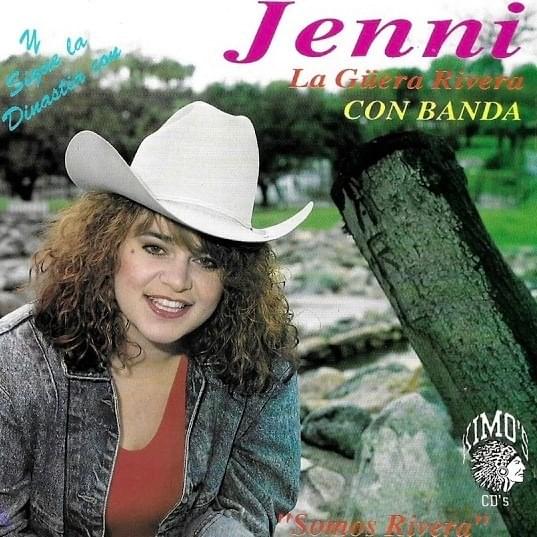
 View Artist