Song Meaning
Jean Shepard's "Shadows on the Wall" isn't just a country heartbreak ballad; it's a stark exploration of betrayal frozen in time. The 'shadows' aren't merely visual; they represent the obscured truth, the hidden infidelity that shatters the singer's world. The open door, juxtaposed with the silent, intimate scene, emphasizes the vulnerability and unsuspecting nature of the discovery. It's a gut-wrenching tableau of intimacy turned weapon. The simplicity of the lyrics amplifies the emotional blow, focusing on the stark image of two figures locked in a kiss – a primal symbol of love and commitment now twisted into its opposite.
Shepard masterfully uses the 'shadows' as a metaphor for the lingering trauma. They are not fleeting; they're permanently etched into the singer's memory, a constant reminder of the violated trust. The inability to cry, the 'hurt too much to cry,' speaks volumes about the depth of the emotional wound. It's a paralysis born of shock and disbelief. The repeated lament about living with the memory highlights the insidious nature of betrayal; it's not just the act itself, but the relentless replay in the mind that inflicts lasting damage. The shadows become a psychological prison.
The final verses delve into the long-term consequences of this betrayal. The inability to 'fall for someone new' suggests a deep-seated fear of vulnerability and repeated hurt. The admission of being 'forever doomed' and 'haunted' reveals a profound sense of hopelessness. "Shadows on the Wall" transcends a simple tale of infidelity. It's a chilling depiction of how a single, devastating moment can warp one's perception of love and leave an indelible mark on the soul, transforming a space of potential joy into a haunted gallery of past pain. The song meaning resides not just in the narrative, but in its raw, unflinching portrayal of emotional devastation.
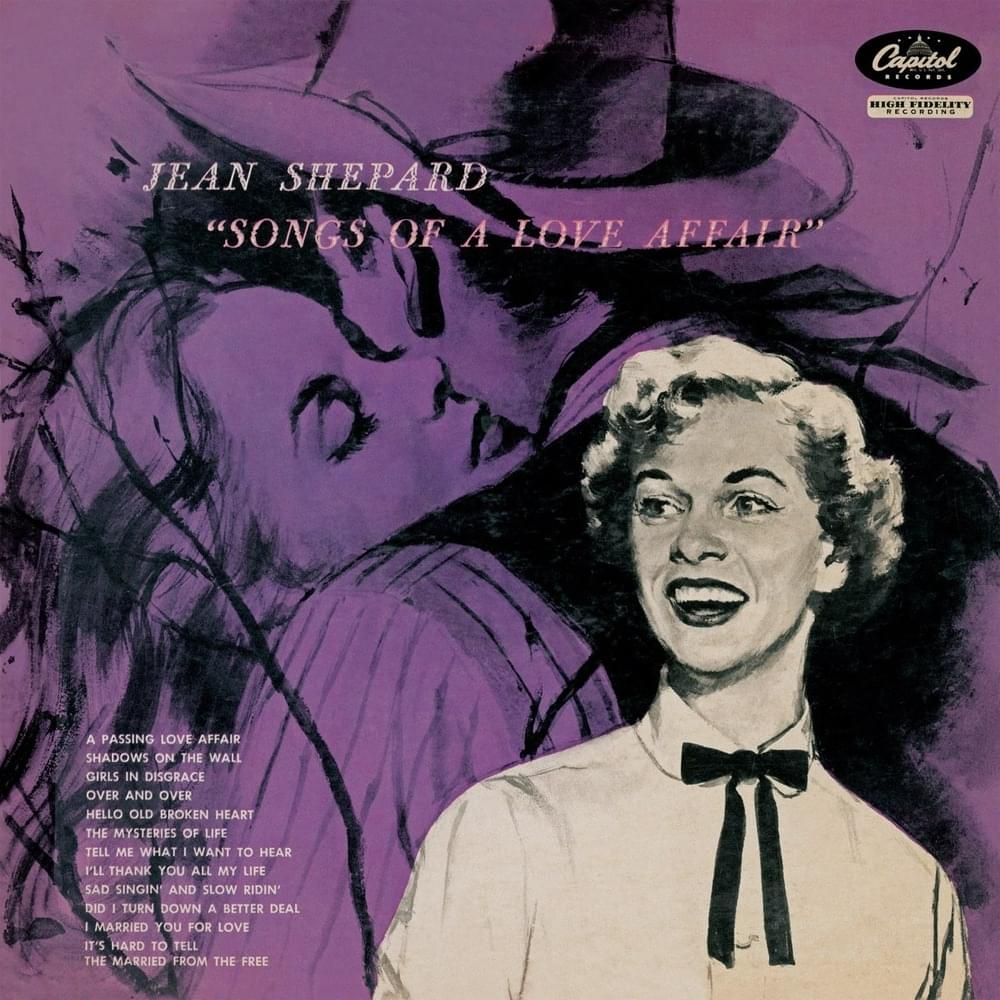
 View Artist