Song Meaning
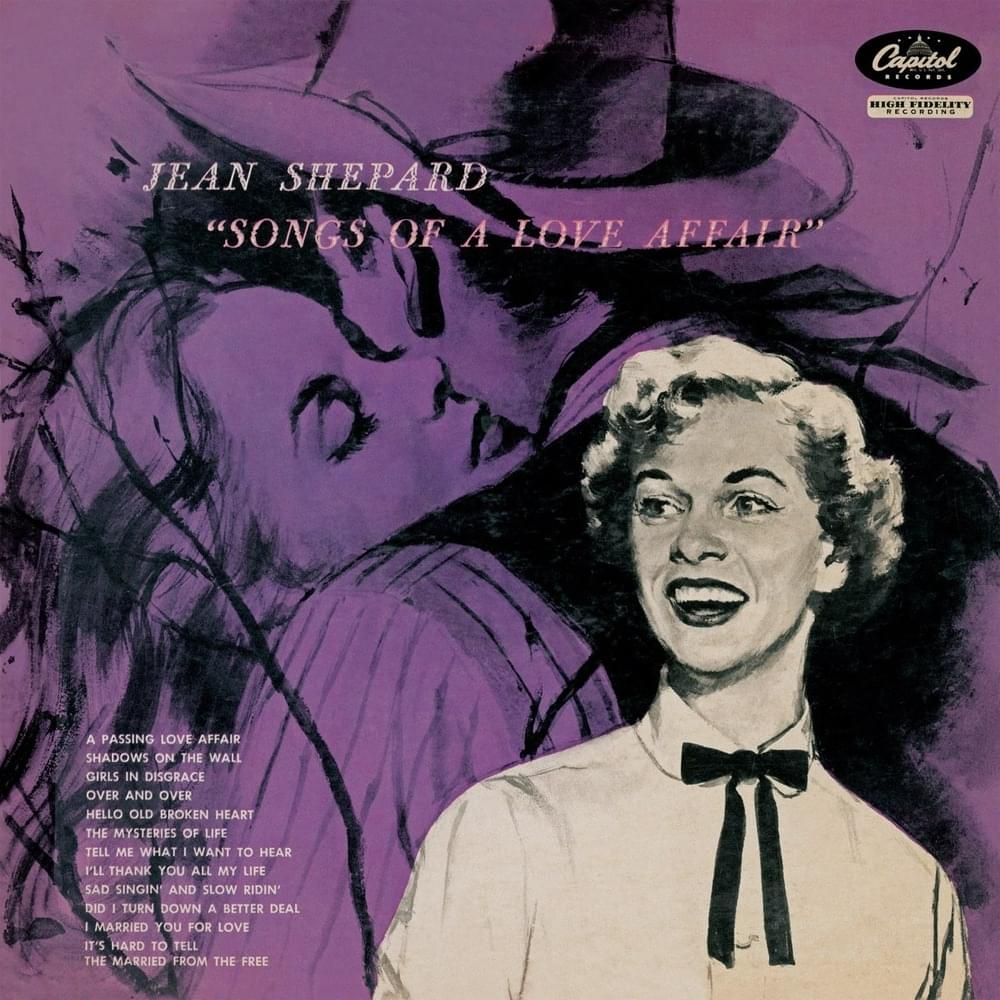
Jean Shepard's "Girls in Disgrace" is a stark, unvarnished portrait of early country music's reckoning with female vulnerability and societal judgment. Forget the glitz; this isn't a revenge fantasy or a tale of empowerment. It's a raw, almost clinical examination of a woman caught in the unforgiving machinery of reputation, spun from a broken promise of marriage. The lyrics aren't just about heartbreak; they're about the very public shaming that awaited women who dared to step outside the rigid boundaries of acceptable behavior. The "gossips of the town" and their ever-present "frown" are not abstract antagonists but a tangible force, shaping the singer's reality and condemning her to a life sentence of misery. Shepard doesn't shy away from portraying the woman's complicity in her own downfall, noting how she foolishly allowed herself to be ruled, blinded by love and trust. It's this self-awareness that elevates the song beyond a simple lament, transforming it into a complex study of power dynamics and personal responsibility.
What makes "Girls in Disgrace" so compelling is its unflinching look at the double standard at play. The male figure escapes relatively unscathed, while the woman is left to bear the full weight of societal condemnation. The singer recognizes this disparity, acknowledging that the man she loved could never truly comprehend the predicament of "girls in disgrace." This isn't just a personal tragedy; it's a systemic one, highlighting the limited options available to women in a patriarchal society. The repeated lines about facing the gossips underscore how reputations are weaponized against women, and how easily a woman's value can be diminished in the eyes of her community.
Ultimately, Jean Shepard's song meaning delves into the dark corners of love and betrayal, where the personal becomes intensely political. It's a poignant reminder of the social constraints placed on women and the devastating consequences of straying from the prescribed path. The song's power lies in its honesty, its refusal to offer easy answers or comforting platitudes. It's a story of shame and isolation that resonates even today, forcing us to confront the ways in which we judge and condemn those who dare to defy expectations.
 View Artist