Song Meaning
Jean Shepard's "Uit Evenwicht" (likely a non-English title given Shepard's discography, perhaps a translation of a similar theme) paints a stark portrait of emotional starvation within a marriage. The opening lines immediately establish a sense of profound neglect. The singer tallies the meager moments of physical intimacy—"one hour of the day," "one hour of the night"—as if love has been reduced to a contractual obligation rather than a vibrant connection. This isn't a tale of explosive conflict, but rather the slow, agonizing erosion of affection. The repeated line, "Seems to me there ought to be more to love than this," serves as both a lament and a quiet accusation. The subtle shift from describing his actions to reflecting on the absence of children ("the sound of little feet on the floor") adds another layer of longing, hinting at unfulfilled dreams and a shared future that never materialized. It's not just passion that's missing; it's the very substance of a life built together.
The imagery throughout the song amplifies the feeling of emotional coldness. The "cup of coffee" warmer than his touch is a particularly potent symbol of the husband's detachment. It's a mundane object imbued with a chilling significance, highlighting the chasm between physical proximity and emotional intimacy. His perfunctory gestures—reading the paper, waving goodbye—further underscore his emotional absence. These aren't acts of malice, but rather the habits of a man who has drifted away, perhaps unconsciously, leaving his partner adrift in a sea of unmet needs. The lyrics suggest a relationship where the weight of expectation has become unbearable, leaving behind a hollow shell of what once was.
Ultimately, "Uit Evenwicht" resonates because it captures a universal fear: the fear of becoming invisible to the person you love. The question posed, "If love has meaning then I wonder just where it is," is a raw expression of existential doubt. The singer isn't necessarily seeking blame or a dramatic resolution. Instead, she's grappling with the unsettling realization that love, in its current form, is no longer enough to sustain her. The repetition of the final line emphasizes the cyclical nature of her despair, leaving the listener with a lingering sense of unease and the understanding that some wounds are inflicted not by grand betrayals, but by the slow drip of indifference.
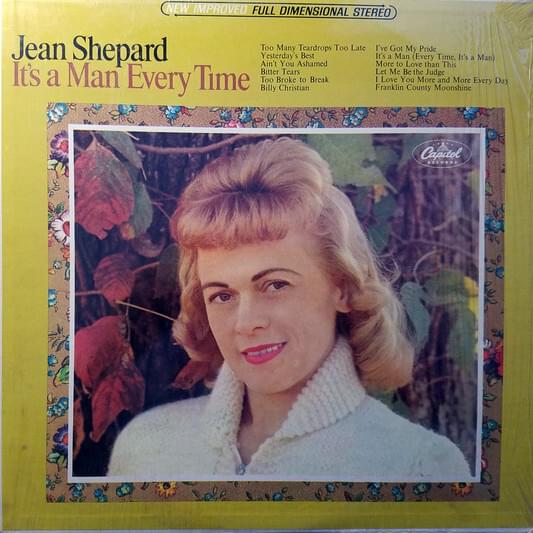
 View Artist