Song Meaning
J.B. Lenoir's "Korea Blues" isn't just a lament; it's a stark, economical portrait of a man staring down the barrel of the draft during the Korean War. The opening lines hit with immediate dread: the arrival of "my questionnaire" signals the looming disruption of his life by Uncle Sam. The blues scale isn't just musical here; it's the emotional register of a Black man facing conscription into a conflict with unclear purpose, amplified by the casual directive: "J. B. you know that I need you/Lord, I need you in South Korea." The supposed need of the nation clashes violently with the individual's fear and uncertainty.
The "Sweetheart, please don't you worry" verses are a thin veil over the raw terror. The line "I just begin to fly in the air" reads with bitter irony, suggesting both the literal act of flying to war and the naive optimism he's trying to project. This bravado is shattered by the stark premonition of "Now the Chinese shoot me down/Lord, I'll be in Korea somewhere," a fatalistic vision of becoming another anonymous casualty in a distant land. The imagined death is not glorious; it's a lonely, indifferent end.
But the most cutting verses reveal a deeper, more intimate anxiety. Lenoir shifts from the grand geopolitical stage to the intensely personal: "I just sittin' here wonderin'/Who you gonna let lay down in my bed." The fear of death is intertwined with the fear of being forgotten, of being replaced in the affections of his lover. It's a raw, vulnerable expression of the anxieties of a man facing oblivion, a fear compounded by the racial and social dynamics of the time. The final lines, "Won't hurt me so bad/Think about some man has gone in your bed," are a haunting admission of the pain of absence, a pain perhaps even greater than the fear of death itself. "Korea Blues" becomes a powerful, multifaceted exploration of loss, fear, and the human cost of war.
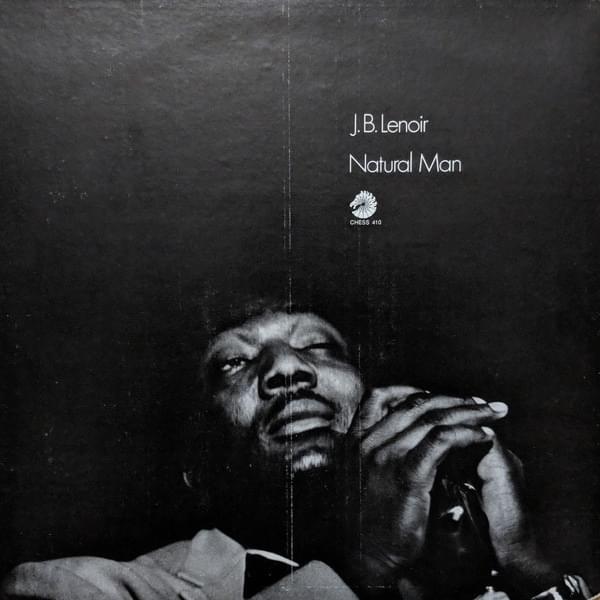
 View Artist