Song Meaning
J.B. Lenoir's "Leavin' Here" isn't just a blues lament; it's a primal scream of a man caught between self-preservation and self-destruction. The opening lines, repeated with the weary conviction of someone at the end of their rope, establish the central conflict: a desperate need to escape a situation that's clearly unsustainable. The repetition underscores not just the intention to leave, but the sheer mental exhaustion driving it. He's not leaving because he wants to; he's leaving because he *has* to. The stark simplicity of "I'm tired of being cheated this-a-way" speaks volumes about the nature of the betrayal, whether romantic, economic, or existential.
The second verse plunges into the psychological core of the song. Lenoir invokes the age-old warning about love's destructive power, delivered with the haunting wisdom of a mother's cautionary tale. But the tragic irony lies in his admission: "I'm in love with that woman and I just can't help myself." This isn't a tale of blissful romance; it's an addiction, a compulsion that overrides reason and self-preservation. He's fully aware of the danger, yet powerless to resist. This internal battle between knowledge and desire is what elevates "Leavin' Here" beyond a simple blues shuffle into a profound statement about the human condition.
The instrumental breaks, rather than providing respite, amplify the emotional tension. They serve as internal monologues, wordless cries of anguish that fill the spaces between the verses. The absence of specific details about the "cheating" or the nature of the love affair only heightens the song's universality. It's not about the specifics of Lenoir's situation, but about the universal experience of being trapped in a cycle of pain, driven by forces beyond our control. The song's power resides in its raw, unfiltered emotion, a testament to Lenoir's ability to distill complex psychological states into deceptively simple blues structures.
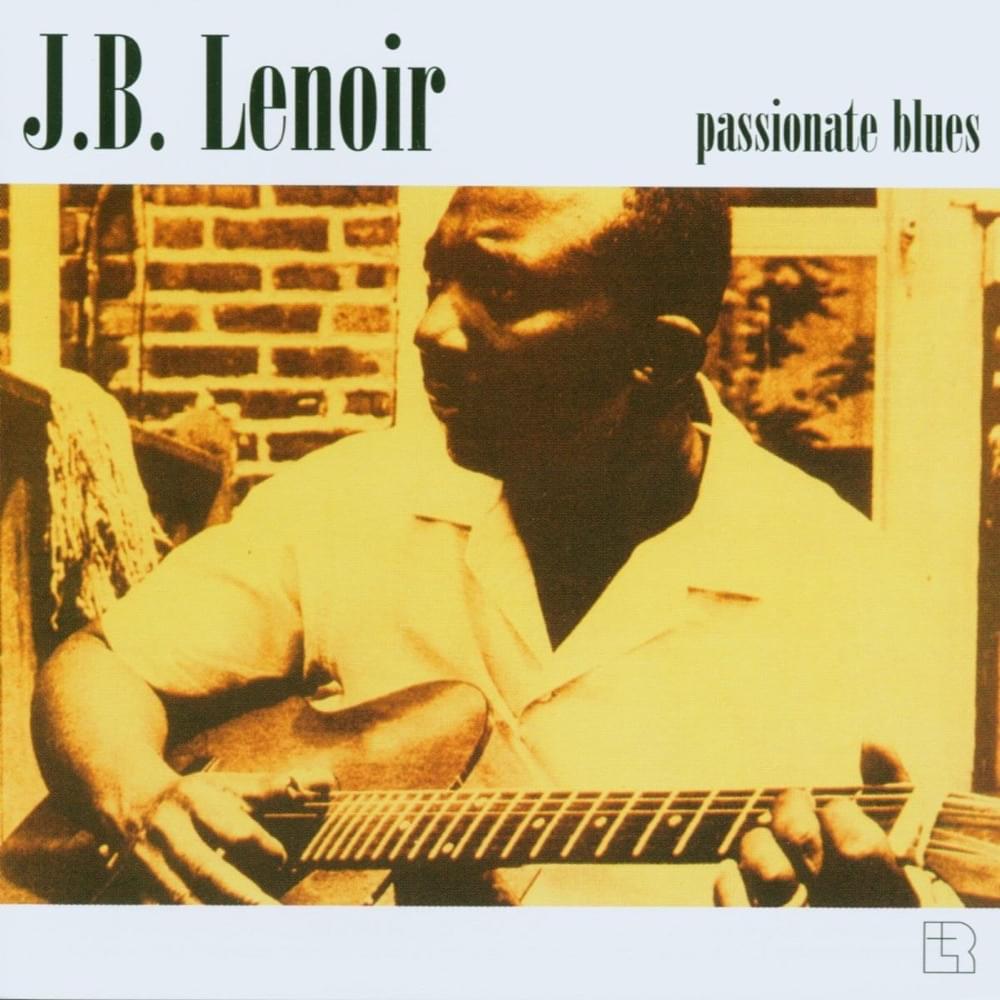
 View Artist