Song Meaning
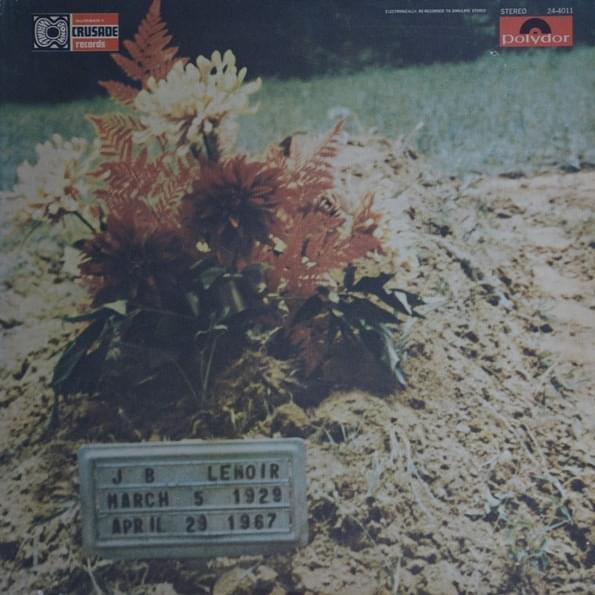
{"song_id": 14143211, "meaning": "J.B. Lenoir's \"Down in Mississippi\" isn't a sentimental journey home. The song meaning resides in the stark contrast between idyllic origin and lived reality. Lenoir's repetition of \"Down in Mississippi, where I was born, where I come from\" initially suggests a grounding in place, a connection to roots. But this is quickly undercut by the brutal honesty of his experience. The opening verse sketches a life of agricultural toil – \"plow or a hoe,\" \"long 'ole nine feet sacks\" – setting the scene for a life defined by labor and the land. This is not nostalgia; it's a statement of fact.
The emotional core of the song lies in Lenoir's understated acknowledgement of systemic racial terror. He bluntly states, \"Nothing I got against Mississippi, it also was the home of my wife / But I count myself a lucky man, just to get away, with my life.\" This line is delivered without fanfare, yet it speaks volumes about the ever-present threat of violence and injustice faced by Black people in the Jim Crow South. The following verse drives the point home with chilling clarity: \"They had a hunting season, on they rabbits, if you shoot em, you went to jail / The season was always open on me, nobody needing no bail.\"
Lenoir's masterful use of irony transforms what could be a simple blues lament into a potent social commentary. The recurring chorus, with its apparent affirmation of belonging, becomes increasingly unsettling as the song progresses. \"Down in Mississippi\" evolves into a haunting meditation on the psychological impact of racial oppression, where the very place of one's birth becomes a site of trauma and a reason to flee for survival. It's a blues song, yes, but more precisely, it’s a survival song, a testament to the enduring strength required to navigate a landscape actively hostile to one's existence. The lyrics analysis reveals a deep understanding of place, race, and the ever-present shadow of violence."}
 View Artist