Song Meaning
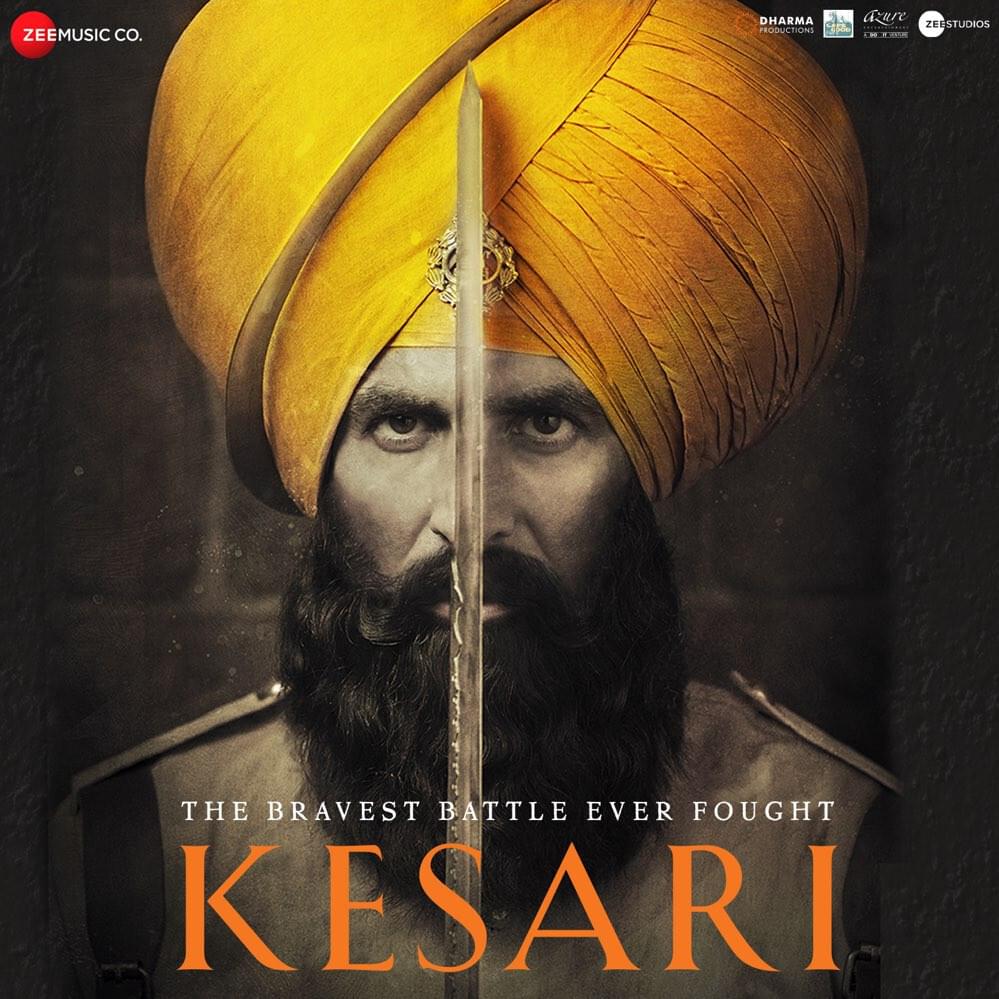
The lyrics paint a vivid picture of a warrior, identified as "Singh," adorned with the "kesri" (saffron) turban and "kaḍā" (bangle) on his arm, symbols of his identity. This warrior is presented as a figure of immense strength and pride, with a "broad chest" and radiating "youth." The imagery is potent, establishing a tone of unshakeable resolve and martial prowess. The repeated assertion that "one Singh is worth more than a hundred thousand" immediately sets up a powerful, almost mythical, sense of individual might against any opposition.
The central tension lies in the impending confrontation. The lyrics repeatedly urge the warrior to "take up arms now," signaling an imminent battle where "the enemy's heart will beat fast." This anticipation builds towards the climactic declaration: "Today, the Singh will roar." The narrative isn't just about fighting; it's about the moment *before* the roar, the gathering of strength and the readiness for conflict, creating a palpable sense of dramatic buildup.
A striking element is the portrayal of the warrior's fearlessness and unwavering commitment. The lyrics state, "In front of darkness and storms, the Singh does not waver," and that "learning to fight and learning to die also comes." This suggests a deep-seated courage that transcends mere physical combat, extending to a willingness to face any adversity and uphold their principles, even to the point of martyrdom. The phrase "more than life, our honor is dear to us" encapsulates this profound dedication.
What makes these lyrics so impactful is their direct, declarative style and the potent imagery of strength and defiance. The repetition of key phrases like "Today, the Singh will roar" and the emphasis on "one Singh is worth more than a hundred thousand" create a powerful, almost chant-like rhythm. This, combined with the unwavering portrayal of courage and honor, crafts an anthem of resilience and martial spirit that resonates with a fierce, unyielding pride.
 View Artist