Song Meaning
The narrator declares an end to serenades for a woman who repaid his love with betrayal. The immediate tone is one of bitter finality, a stark pivot from romantic gestures to a definitive farewell. The repeated phrase "Ya no habrá más serenatas" (There will be no more serenades) acts as a resolute punctuation mark on a chapter of unrequited or betrayed affection.
The core conflict stems from a painful realization: the love he offered was met with "infame traición" (infamous betrayal). This fuels a desire to flee, symbolized by a midnight train that will carry him "muy lejos" (very far away), never to return. The lyrics suggest a deep wound, so profound that he asks friends to tell her he left "ciego de tanto llorar" (blind from crying so much).
The writing takes a dark turn as the narrator grapples with fate, asking for oblivion to come swiftly, even through death, to escape his pain. This plea for "Que me dé pronto el olvido / Con la muerte y nada más" (Grant me oblivion soon / With death and nothing more) highlights the extreme despair. The subsequent call to his "amigos cancioneros" (singer friends) to play a song he likes so he can get drunk reveals a shift from seeking solace in love to seeking it in oblivion, a desperate attempt to numb the inevitable suffering he believes is written into the lives of lovers.
This piece hits hard because it captures the raw, immediate aftermath of betrayal. The direct address to his friends and the stark imagery of the train and tears ground the grand pronouncements of fate and death in a very human, visceral pain. The shift from romantic serenades to a desire for drunken oblivion and even death underscores the destructive power of heartbreak, making the narrator's final, resigned acceptance of suffering feel tragically earned.
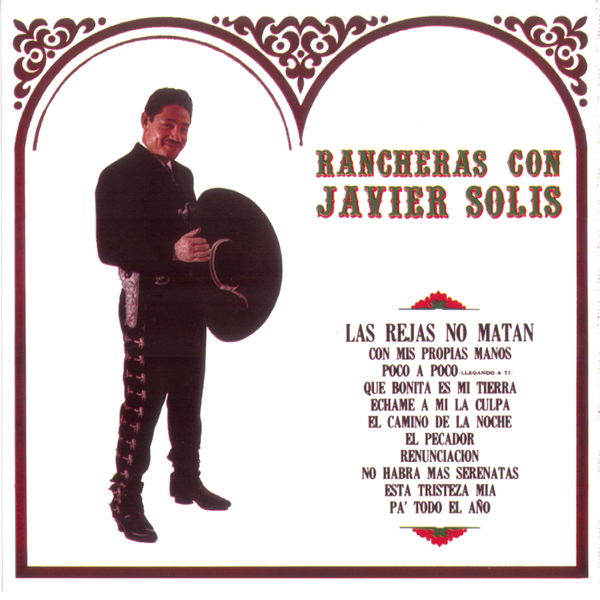
 View Artist