Song Meaning
This track opens with a raw, immediate plea for oblivion, a desperate call to drown a profound longing. The narrator demands "una copa y muchas más," not just for a moment, but "pa' todo el año," signaling an intent to escape reality for an extended period. The dominant emotion is a deep ache of absence, so potent it fuels a desire for complete intoxication as the only solace.
The core tension lies in the narrator's defiant embrace of public shame for the sake of love. They anticipate being seen "muy borracho" and instruct others to "orgullosamente diles que es por ti." This isn't just about personal pain; it's a public declaration of devotion, a willingness to be known for their suffering, even to the point of "gritaré que por tu amor me estoy matando." The love, though absent, is the sole justification for this self-destruction.
The lyrics build to a dramatic pronouncement of finality: "ya el amor no me interesa" and "ya no voy a levantarme." This isn't a temporary setback but a declared end to hope and future romantic pursuits. The narrator intends to "cantaré por todo el mundo mi dolor y mi tristeza," making their heartbreak a global performance. The repeated phrase "voy a morirme de amor" underscores the absolute, fatal nature of this emotional blow, suggesting a love so powerful it leads to a kind of death.
What makes these lyrics so impactful is their unvarnished intensity and the narrator's commitment to broadcasting their pain. The imagery of drinking "pa' todo el año" and the defiant confession to onlookers create a vivid picture of someone consumed by loss. The absolute language – "ya no voy a levantarme," "voy a morirme de amor" – leaves no room for doubt about the depth of their despair, making the emotional weight of the song palpable.
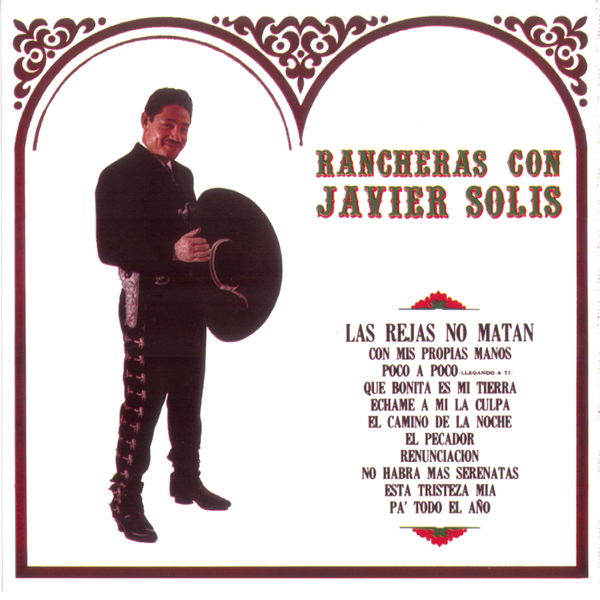
 View Artist