Song Meaning
Javier Ruibal's "Perla de la Medina" isn't just a love song; it's a yearning for connection across cultural divides, wrapped in the romantic imagery of Moorish Spain. The "Medina" – the old Arab quarter of a city – becomes a metaphorical space where the singer encounters an enigmatic woman, a "pearl" within its winding streets. The lyrics paint her as almost mythical, a "dama misteriosa" whose allure transcends the everyday. He's captivated by her silent language of glances, a connection that bypasses spoken words, hinting at a deeper, perhaps unattainable, understanding.
The song's emotional core lies in the singer's self-awareness of his outsider status. He explicitly states, "Y no soy morito / ¡malhaya mi vida!" (And I am not a Moor / woe is my life!). This line isn't merely a lament; it's an acknowledgement of the cultural chasm separating him from Rachida, the object of his affection. He's not just in love with a woman; he's enamored with a culture, a history, a way of life that feels just beyond his grasp. The repeated offer to bring her treasures – "Las cumbres de la luna," "Aguamarina" – symbolizes his desire to bridge that gap, to prove his devotion through grand gestures.
Ultimately, "Perla de la Medina" resonates with a poignant sense of unrequited longing. He acknowledges being Rachida's "rehén," her prisoner, willing to suffer for even a glimpse of her affection, to hear the Arabic endearment "habibi" from her lips. This isn't a tale of simple infatuation; it's a complex exploration of desire, cultural appropriation, and the bittersweet beauty of wanting something – or someone – just out of reach. The final declaration that she is the "dama misteriosa / Que no tendré" seals the song's fate as a romantic tragedy, a testament to the enduring power of longing and the barriers that can exist between hearts and cultures.
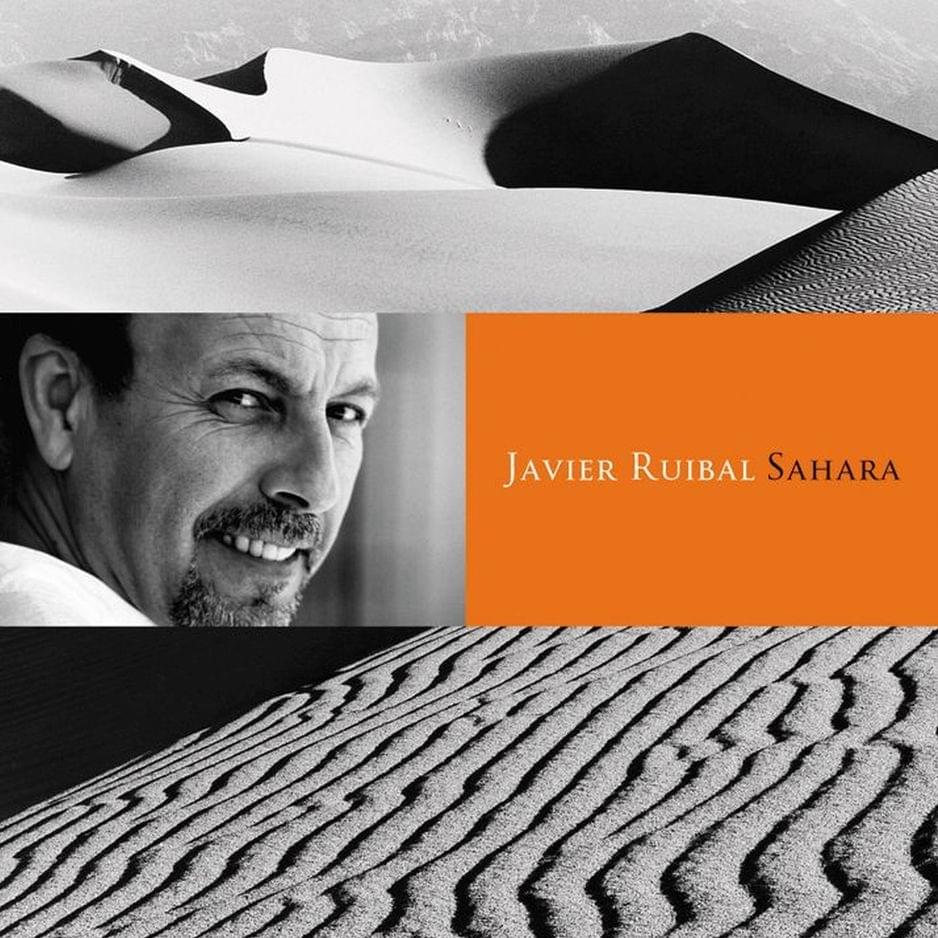
 View Artist