Song Meaning
Javier Ruibal's "Amada" isn't a straightforward love song; it's a raw, almost desperate plea for cleansing and redemption from a man returning from conflict, possibly both literal and internal. The opening lines, "Límpiame, mujer / Sudor y sangre sólo traigo," immediately establish a need for purification. He's not the man she knew, weighed down by the trauma he carries. The "llanto amargo" he offers as the only good thing found suggests a profound disillusionment, a sacrifice of emotional vulnerability in the face of brutality. It speaks to the psychological toll of war, where even love feels tainted. The feminine is positioned as the only salvation.
The chorus, with its repeated invocation of "Amada" (Beloved), layers in complexity. The moon imagery is central. Initially, clear water reflects the moon she adored, symbolizing a pure, untainted love. However, this shifts; the moon he now carries on his sword is different, warped by violence and battle. This is no longer a symbol of romance, but of something hardened and weaponized. He recognizes the damage he's sustained, the transformation he's undergone. The contrast between the two moons encapsulates the song's central conflict: the idyllic past versus the brutal present.
The final verses solidify the sense of impending doom and utter dependence on the "Amada." Death clings to him, and he begs her to bind herself to him, a physical and spiritual tether against being torn away. His declaration, "Ya no seré nada / Si tú no me llevas / Lejos de las armas," is a complete surrender. He acknowledges his own destruction without her guiding him away from the instruments of war – both the external weapons and the internal scars they've left. "Amada" becomes more than a lover; she's a lifeline, a sanctuary from the ravages of conflict, the only hope for reclaiming a lost self.
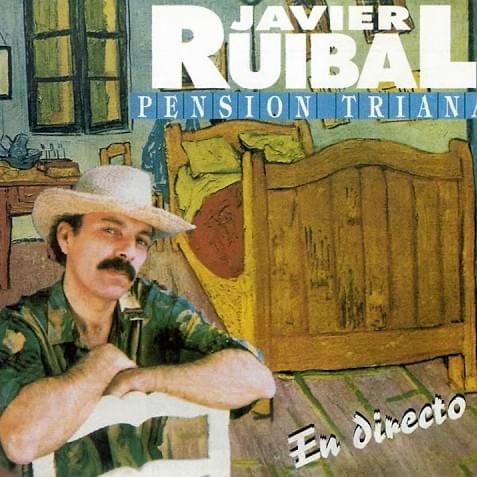
 View Artist