Song Meaning
The lyrics paint a vivid picture of Esaú, a figure seemingly trapped in a cycle of immediate gratification and subsequent regret. The narrator directly addresses Esaú, highlighting his daily habit of "selling your birthright / For a plate of lentils." This sets up a core tension: the exchange of something of immense future value for fleeting, physical satisfaction. The immediate aftermath is dissatisfaction, a "complaint" and a cry of "thief!" directed at Jacob, who is perceived as stealing Esaú's "horizon / And the courage and the challenge / What was mine."
This internal conflict is further emphasized by Esaú's alternating reactions. Sometimes, the "acidity" of his regret is so strong he cries out, but other times, he "swallows" his feelings, perhaps with "bicarbonate," suggesting a passive acceptance of his choices. The narrator's tone shifts from accusatory to almost exasperated advice, urging Esaú to "have a little ambition." The repeated use of "Esaú" and the direct address create a sense of intimate, yet critical, observation of this character's flawed decision-making.
The most striking aspect of the writing is the stark contrast between the "birthright" and the "plate of lentils." The narrator questions the value of the birthright, asking if its "usufruct" is worth "a burp," thereby underscoring Esaú's apparent lack of appreciation for what he possesses. This rhetorical question highlights the absurdity of Esaú's choices, suggesting he undervalues the significant for the trivial. The final lines, urging him to "die of indigestion" if he's going to be so gluttonous, offer a darkly humorous, yet pointed, conclusion to this critique.
Ultimately, these lyrics resonate because they capture a universal human struggle with impulse control and the devaluation of long-term goals for immediate comfort. The sharp, almost mocking, tone combined with the specific imagery of lentils and birthright makes Esaú's self-sabotage feel both pathetic and, in its own way, compellingly observed. The writing effectively uses direct address and pointed questions to expose the character's self-destructive tendencies.
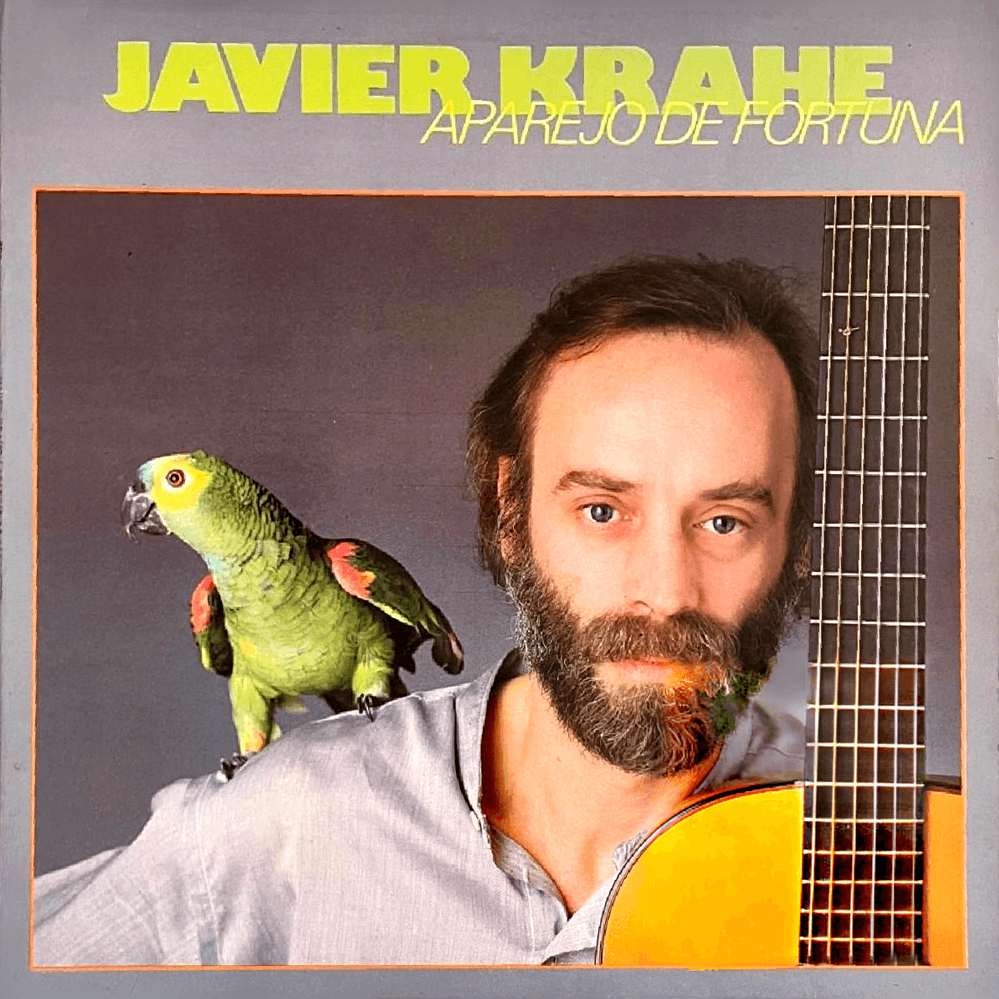
 View Artist