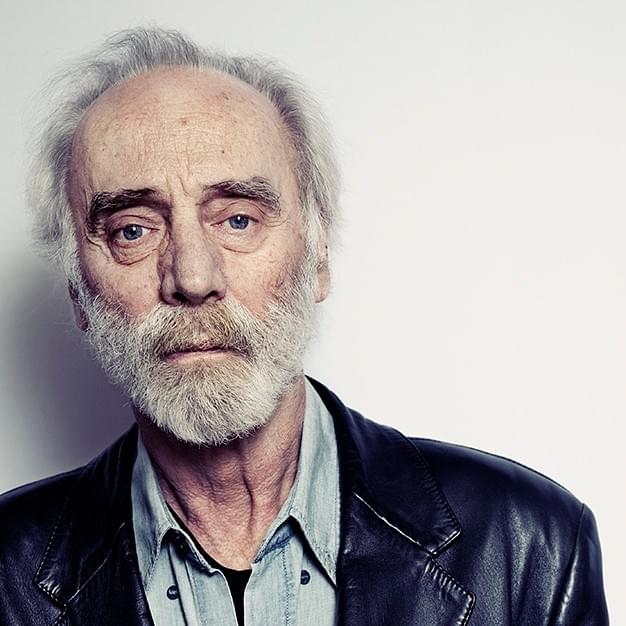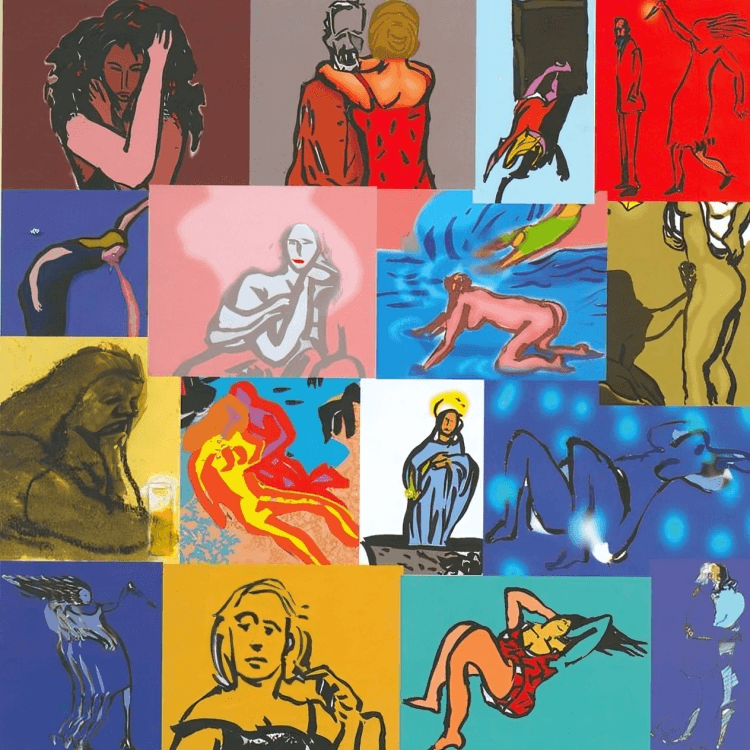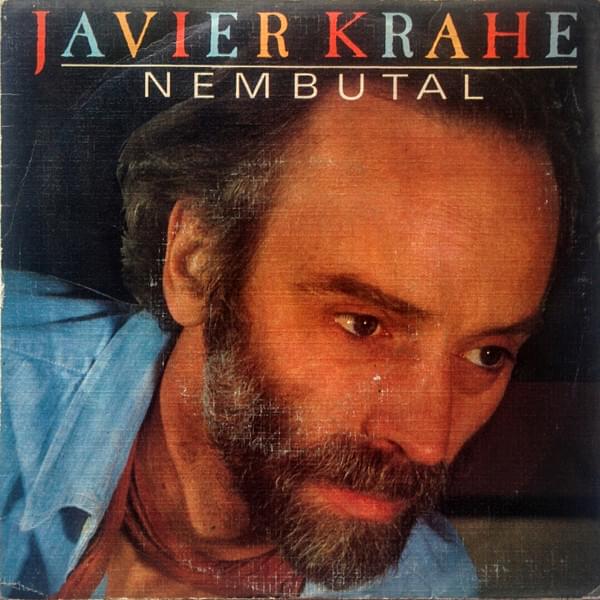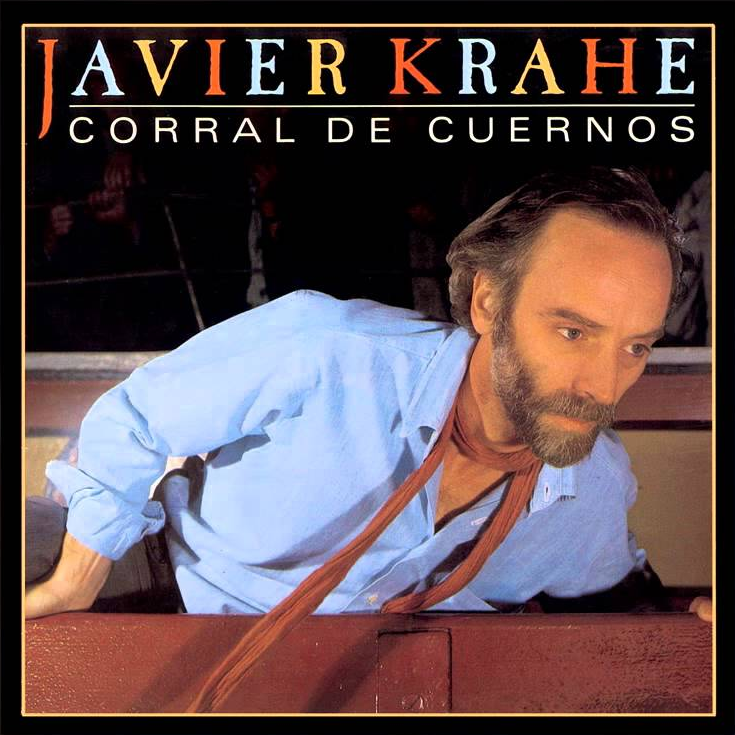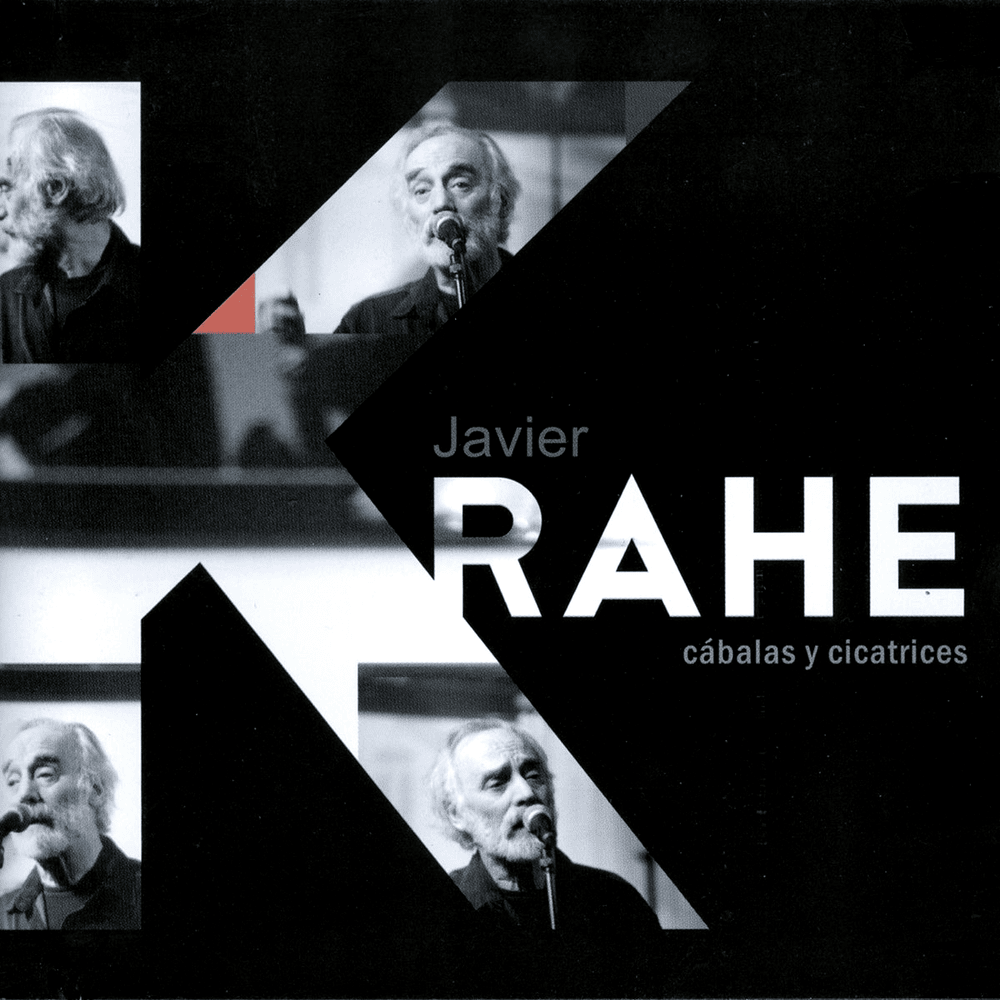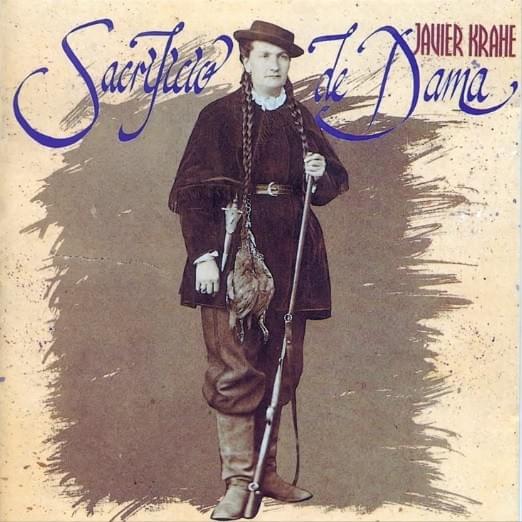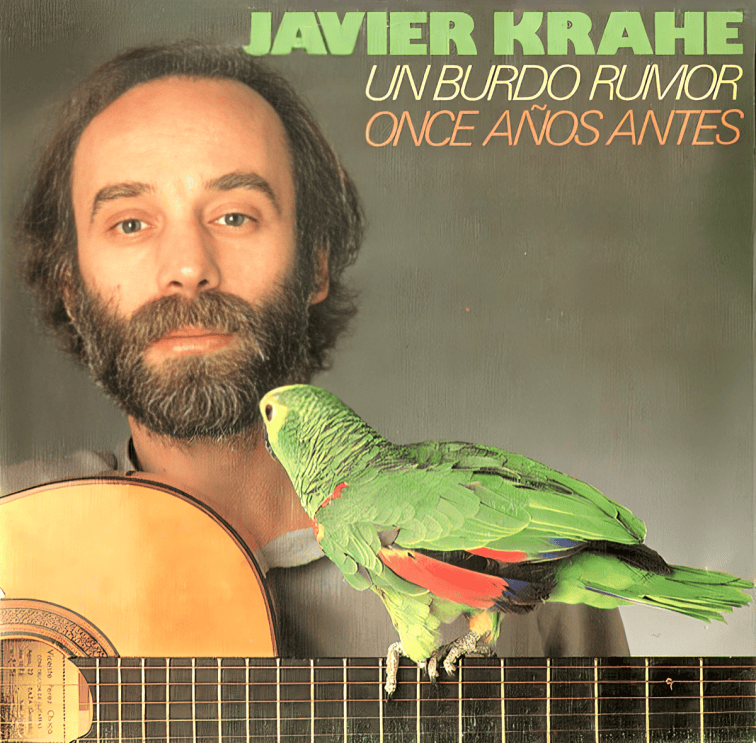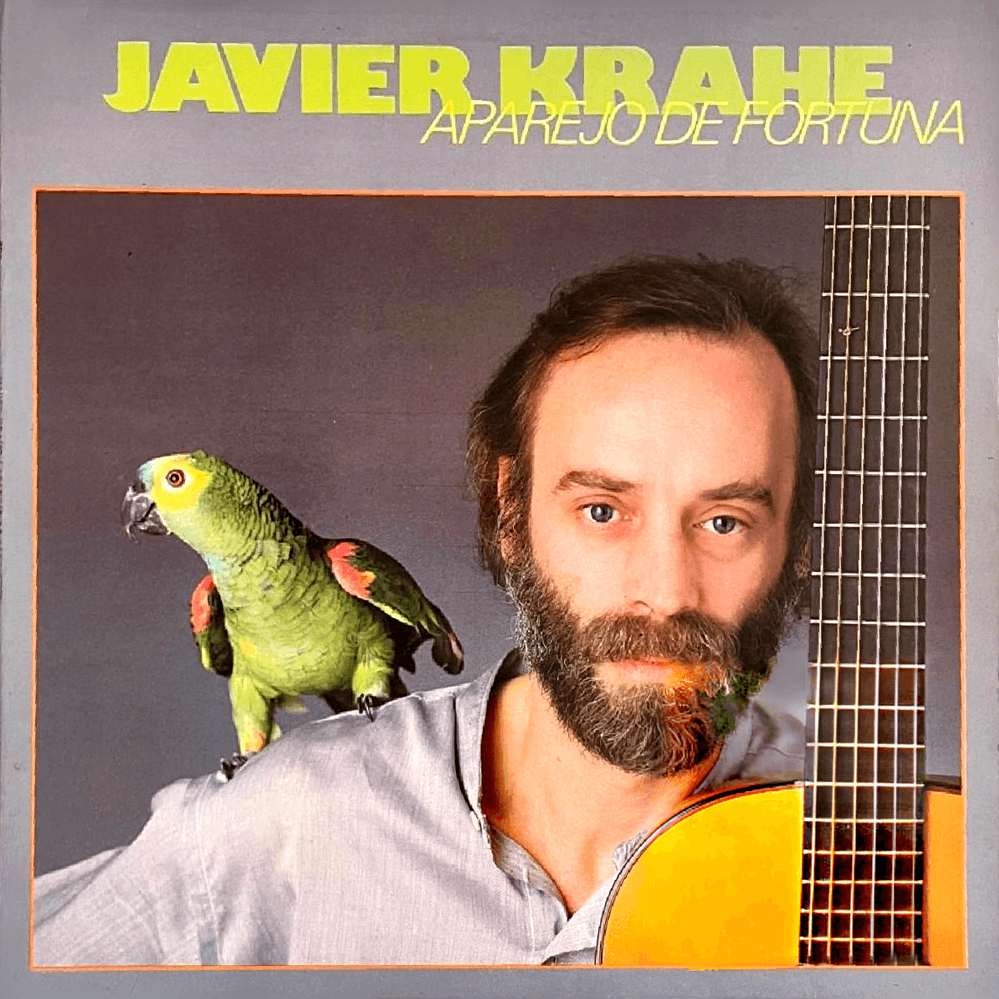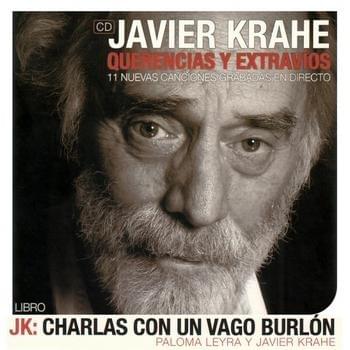
Photo of Javier Krahe

Javier Krahe

8.8K Listeners

Artist Bio

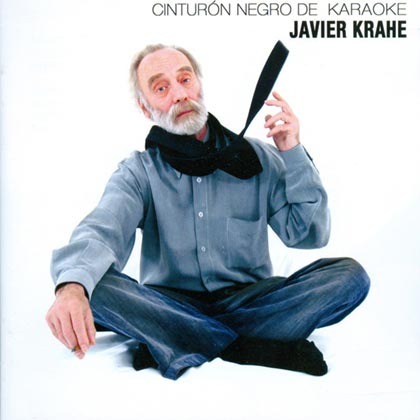
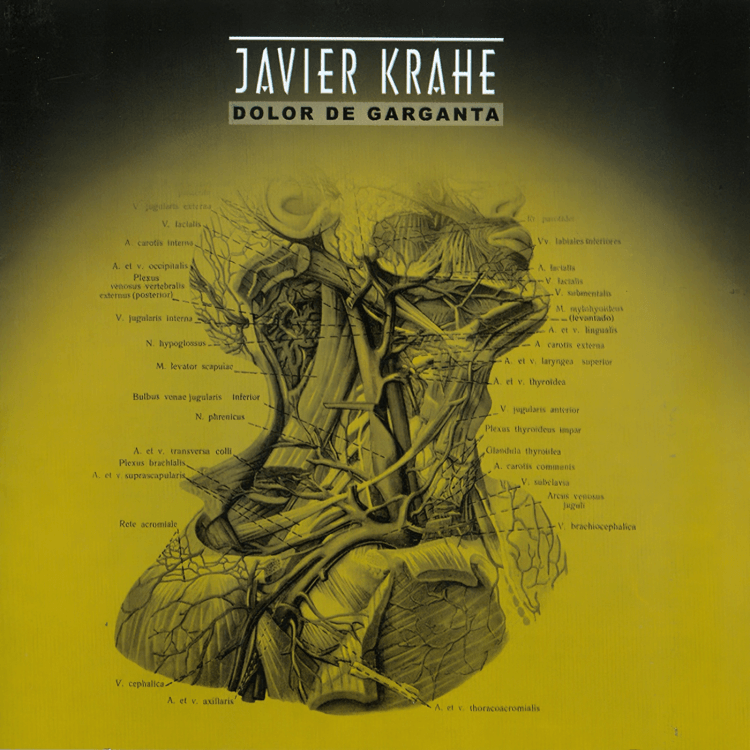
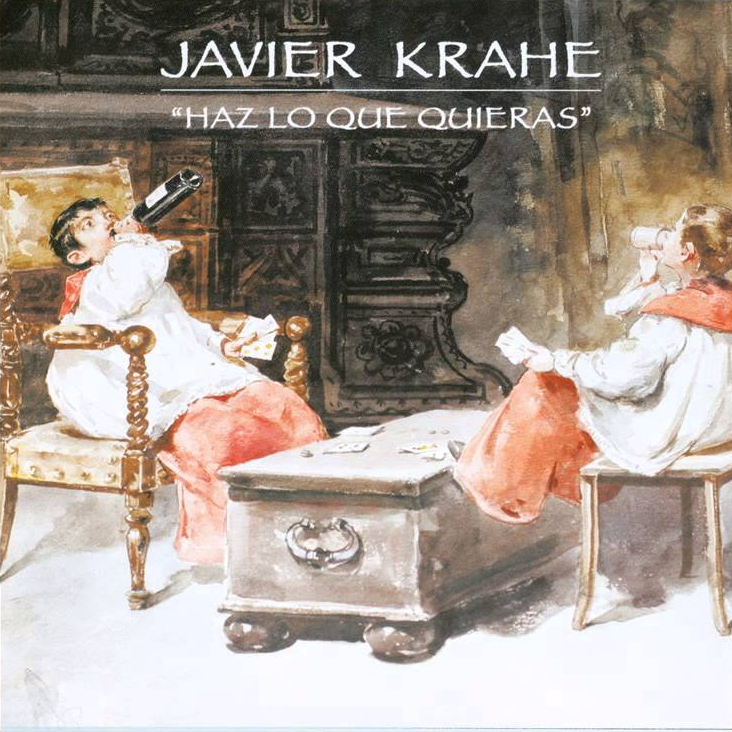
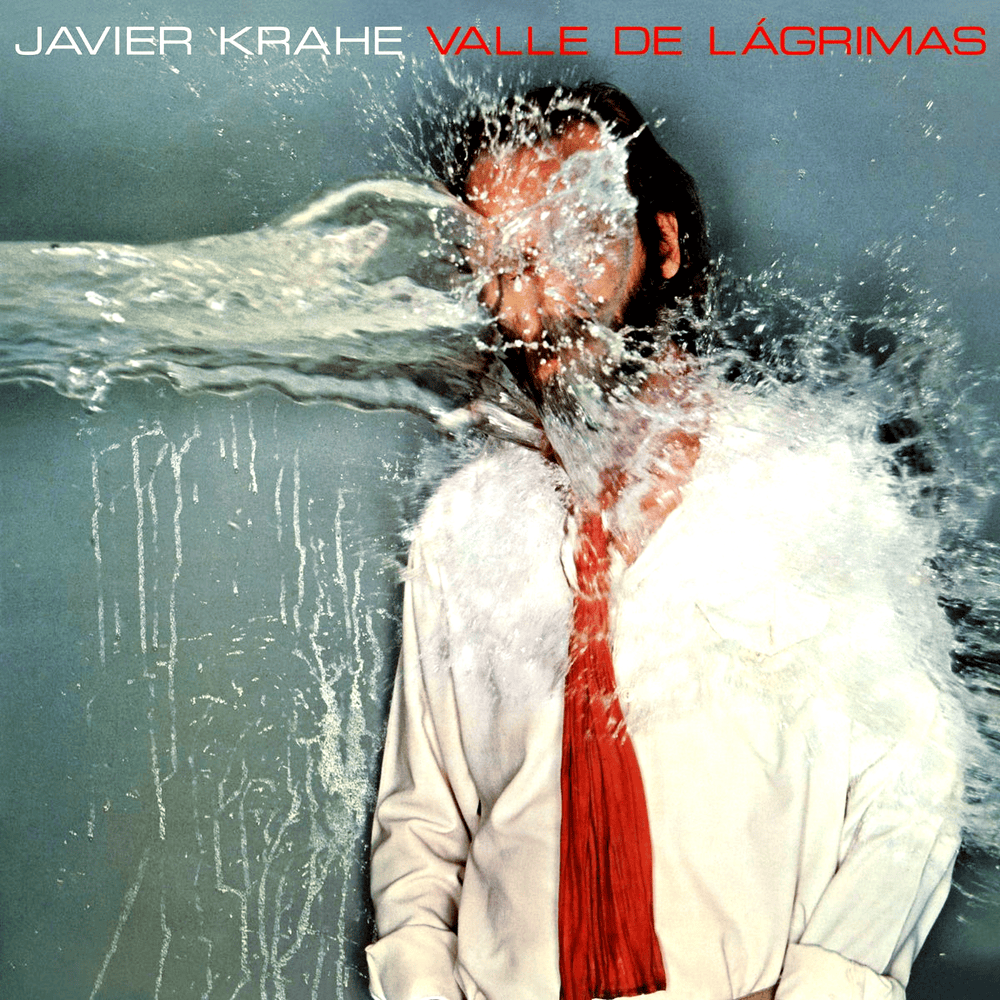
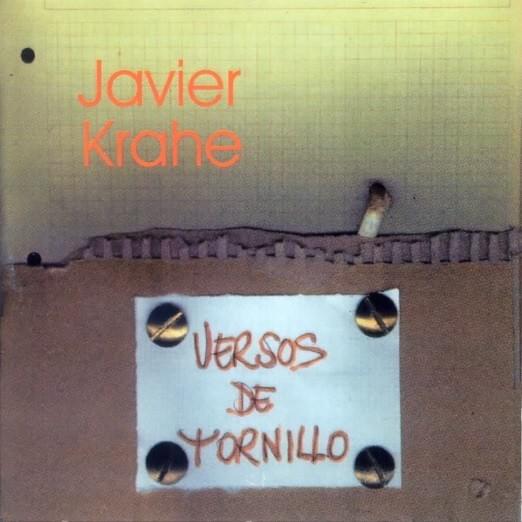
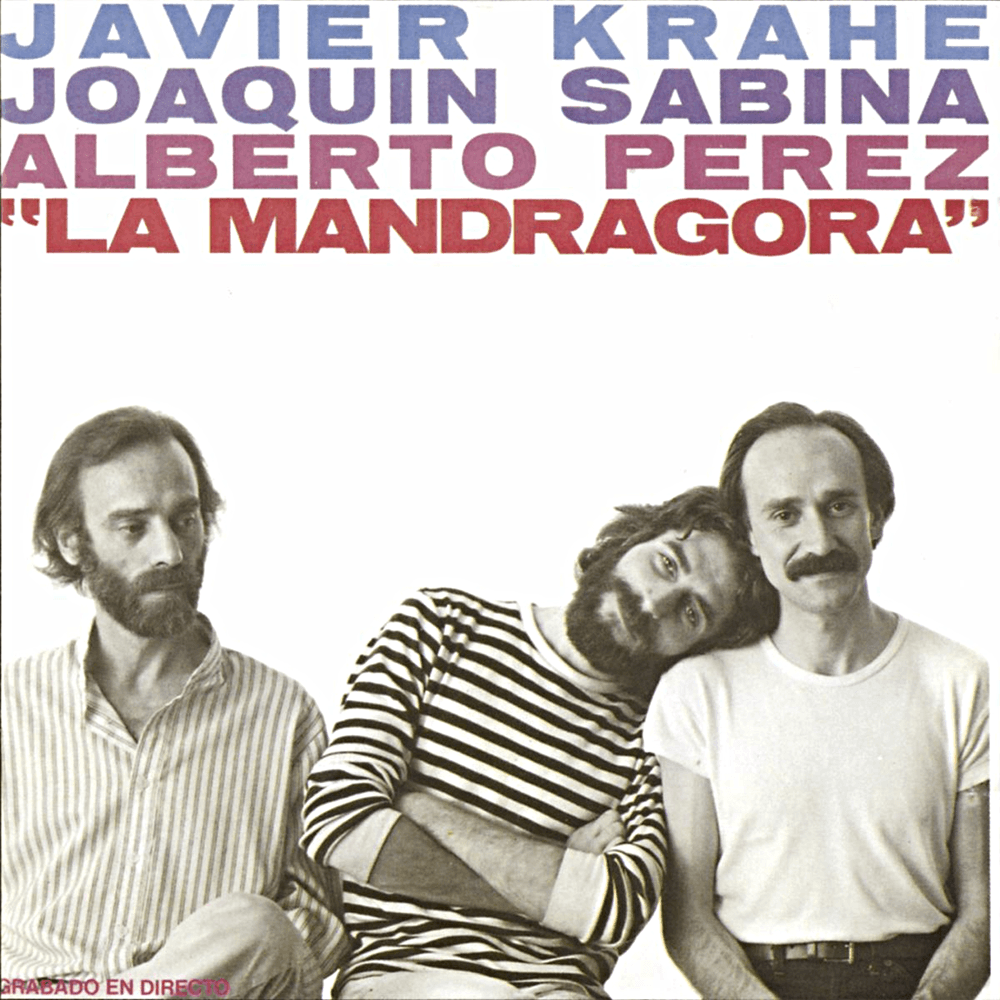
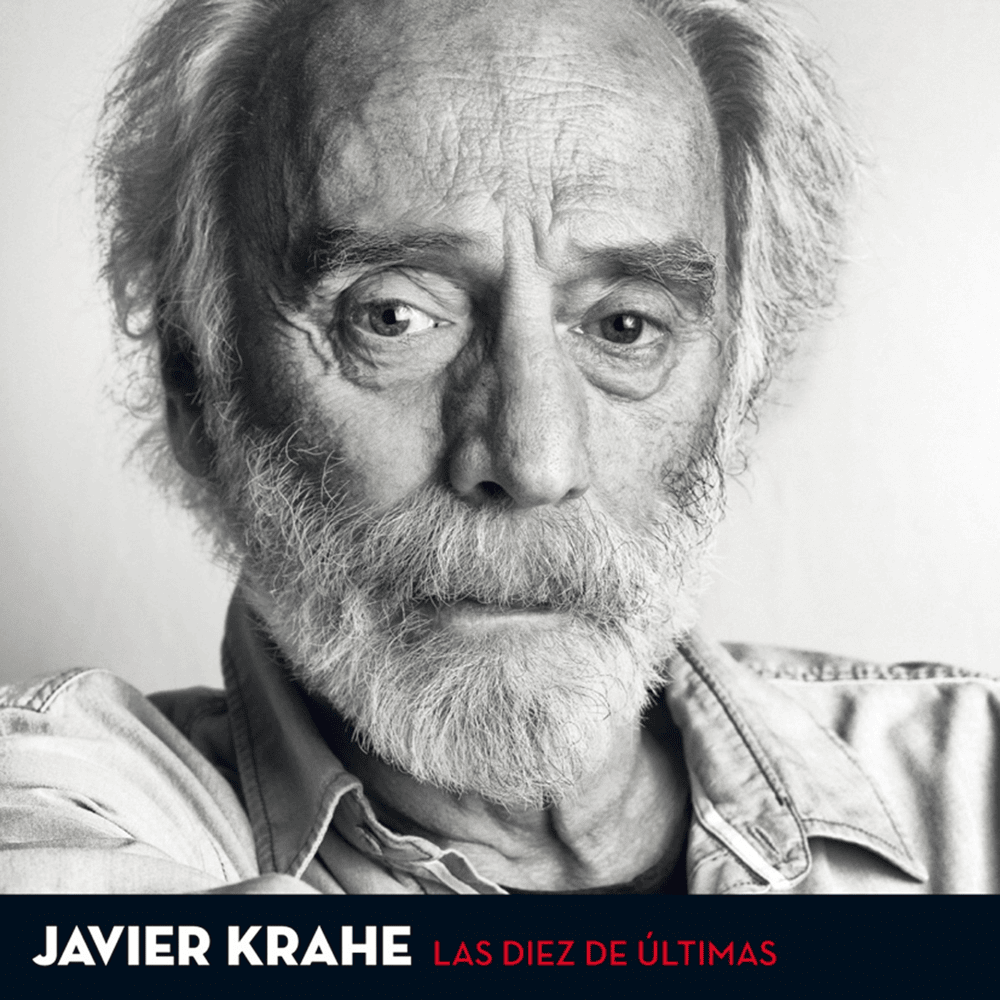
Introduction & Current Status Javier Krahe might not be topping the charts today but his influence? Undeniable. This Spanish singer-songwriter, known for his sharp wit and even sharper lyrics, left a mark that's still felt in contemporary music. He's the kind of artist your cool professor would play you, the one who makes you think and chuckle at the same time. Krahe's music continues to find new audiences. His songs, often laced with political and social commentary, resonate just as much now as they did during his lifetime. His legacy lives on through covers by younger artists and the enduring appeal of his unique voice. Think of him as the OG indie artist before indie was even a thing. He carved his own path, and his music remains relevant. Javier Krahe is the gift that keeps on giving, a wry observer whose words still sting... in a good way. Early Life & Background Born in Madrid in 1944, Javier Krahe grew up in a Spain still under the shadow of Franco's dictatorship. This backdrop heavily influenced his later work. He wasn't just singing songs; he was subversively commenting on the world around him. Krahe's early life wasn't all political angst. He was exposed to a wide range of music, from traditional Spanish folk to the emerging sounds of international singer-songwriters. This eclectic mix helped shape his distinct style. Growing up in post-war Spain definitely shaped his worldview. He saw the hypocrisy and the absurdity of it all, and he channeled that into his music. That's what made him more than just a singer; he was a storyteller with a point of view. Career Beginnings Krahe's career didn't exactly explode onto the scene. It was more of a slow burn, a gradual rise fueled by word-of-mouth and the sheer quality of his songwriting. He started playing in small venues, building a loyal following among those who appreciated his clever lyrics and understated delivery. His breakthrough moment arguably came with the album La Mandrágora, a collaboration with Alberto Pérez and Joaquín Sabina. This record captured the spirit of a generation yearning for change, and it propelled Krahe into the spotlight. He found a niche, becoming the voice of a generation that was craving something authentic. His songs were a breath of fresh air in a music scene that often felt stale and predictable. He was never afraid to speak his mind, and that's what resonated with people. Major Albums & Discography La Mandrágora wasn't just a breakthrough; it was a cultural phenomenon. It perfectly captured the mood of Spain transitioning out of dictatorship with its blend of humor, poetry, and social criticism. Albums like Valle de Lagrimas and Cábalas y cicatrices cemented his reputation as a master songwriter. Each album saw Krahe refining his style, exploring new themes, and pushing the boundaries of what Spanish song could be. Then there's Dolor de garganta, an album that showcases Krahe's ability to blend wit and melancholy. His music isn't just about making you laugh; it's about making you feel. And then you have the live album, Las diez de últimas which offers a raw and intimate look at his performance style. Krahe also released Aparejo de fortuna, Corral de cuernos, Toser y cantar, Cinturón negro de karaoke and Haz lo que quieras which each contribute to his impressive body of work. Hit Songs & Signature Tracks Krahe's catalog is packed with gems but a track like Pongamos Que Hablo de Madrid (En Directo) is low-key iconic. It's a love letter to Madrid, full of wry observations and affectionate jabs. It became an anthem for a city finding its identity. Then there's Marieta (En Directo), a song that perfectly encapsulates Krahe's storytelling ability. He could weave a whole world into a single song. His lyrics are poetry disguised as everyday conversation. Songs like Un Burdo Rumor (En Directo) and Pasándolo Bien (En Directo) showcase his talent for social commentary. He wasn't afraid to tackle tough issues with humor and intelligence. And don't forget El Cromosoma (En Directo), a track that's both funny and thought-provoking. Other notable tracks include Un Santo Varón (En Directo), Mi Ovejita Lucera (En Directo), Villatripas (En Directo), La Tormenta (En Directo), and Adivina, Adivinanza (En Directo) each contributing to the depth and breadth of Krahe's musical legacy. Collaborations & Features While Krahe was very much his own artist, he wasn't afraid to collaborate with others. His work with Joaquín Sabina and Alberto Pérez on La Mandrágora is a prime example of how collaboration can elevate individual talent. He also collaborated with a variety of other musicians throughout his career, both as a featured artist and as a songwriter. These collaborations helped to broaden his appeal and introduce his music to new audiences. These collaborations weren't just about making music; they were about creating a community. Krahe was a central figure in a scene of artists who were pushing boundaries and challenging conventions. That's why he remains such an important figure to this day. Awards & Achievements Javier Krahe wasn't exactly racking up Grammys, but his achievements are measured in influence rather than trophies. He achieved critical acclaim and a dedicated following, solidifying his place in Spanish music history. His biggest achievement was arguably his ability to connect with audiences on a deep level. He wasn't just singing songs; he was speaking truth to power and giving voice to the voiceless. That's an achievement that can't be measured in awards. Though he may not have won a shelf full of awards, the impact of his music is undeniable. He helped shape the sound of a generation and inspired countless artists to follow in his footsteps. That's a legacy worth celebrating. Personal Life Krahe's personal life, like his music, was marked by a certain understated coolness. He wasn't one for flashy displays or celebrity antics. He preferred to let his music speak for itself. He was known for his sharp wit and his love of conversation. He was a regular at literary cafes and gatherings, where he would hold court with his friends and admirers. He lived life on his own terms, and that's what made him so compelling. Musical Style & Influence Krahe's style defies easy categorization. He blended elements of folk, pop, and chanson, creating a sound that was uniquely his own. His lyrics were always the star of the show, full of wit, irony, and social commentary. He drew inspiration from a wide range of sources, from classic Spanish poets to contemporary singer-songwriters. He wasn't afraid to experiment with different styles and sounds, but he always remained true to his own vision. Krahe's influence can be heard in the work of many contemporary Spanish artists. He paved the way for a new generation of singer-songwriters who are unafraid to challenge conventions and speak their minds. His legacy lives on through their music. Recent Work & What's Next While Javier Krahe passed away in 2015, his music continues to be discovered and celebrated by new audiences. His albums are readily available online, and his songs are frequently covered by other artists. His impact on Spanish music is undeniable. Krahe's music is a gift that keeps on giving, a testament to the power of wit, intelligence, and authenticity. He remains a low-key legend.

Popular Albums

Popular Songs

Reviews

Comments

Questions & Answers

Music Awards

0 Total

No Music Awards Found