Song Meaning
Jane Birkin's "Manon" is not a love song; it's a study in obsessive loathing masked as affection. The repetition of "Manon," like a mantra or a curse, immediately traps the listener in the speaker's spiraling interiority. The lyrics unveil a twisted dynamic, a push-pull between disgust and a desperate, unwilling attraction. This isn't the flush of first love, but the cold sweat of a toxic fixation. The speaker confesses, almost against their will, the depth of their hatred for Manon, for "what you are." This isn't about surface-level annoyance; it's a visceral rejection of Manon's very essence.
The most chilling line, "Je t'aurais déjà perdue, Manon / Perverse Manon / Perfide Manon," lays bare the speaker's struggle. They *should* have abandoned Manon, suggesting a knowledge of her destructive nature. The labels "perverse" and "perfide" paint Manon as a consciously manipulative figure, one who actively deserves to be cut off. And yet, the speaker remains ensnared. The line "Il me faut t'aimer avec un autre" hints at a potential coping mechanism, a twisted attempt to dilute the intensity of the obsession by experiencing love through a different, perhaps safer, conduit.
Ultimately, "Manon" descends into a paradoxical declaration: "Je pense avoir perdu la raison / Je t'aime Manon." This isn't love in the romantic sense, but a surrender to an irrational compulsion. The speaker acknowledges the loss of reason, the utter illogic of their feelings. The song’s power lies in its raw honesty about the darker corners of the human psyche, the places where hate and a warped version of love become indistinguishable. It's a portrait of obsession so complete it eclipses all rational thought, leaving only the echo of a name, repeated again and again: Manon.
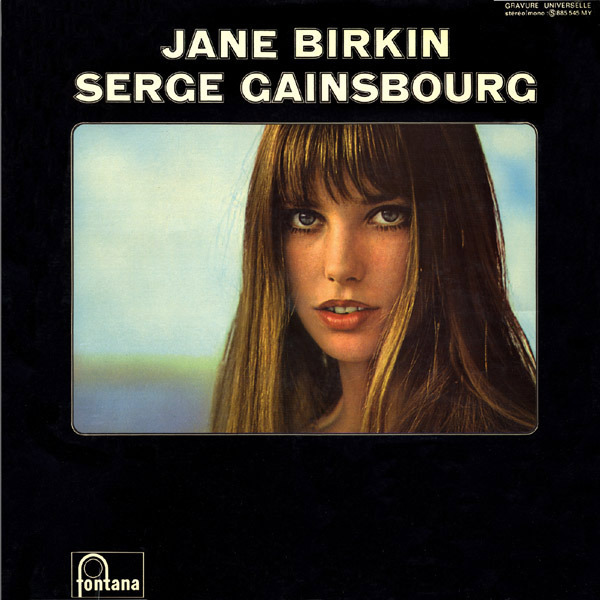
 View Artist