Song Meaning
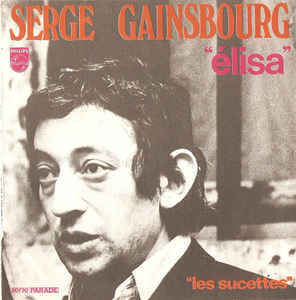
Jane Birkin's rendition of "Élisa," originally penned by Serge Gainsbourg, is no mere love song. It's a complex, layered exploration of desire, age, and the inherent power dynamics within relationships, all filtered through a lens of childlike intimacy. The recurring plea, "Élisa, saute-moi au cou / Élisa, cherche-moi des poux" (jump on my neck / look for lice in my hair), is jarring precisely because it juxtaposes childlike actions with an undercurrent of adult longing. This dissonance creates a sense of unease, hinting at something more complicated than simple affection. It's the kind of intimacy that blurs boundaries, suggesting a regression to a more innocent, yet still charged, state.
The lyrics analysis reveals a fascination with youth and a deliberate confrontation of age disparity. The lines "On a 13 / 14 ans à nous deux" (We are 13 / 14 years old together) and "Tes 20 ans, mes 40" (Your 20 years, my 40) highlight a deliberate imbalance. This isn't just about May-December romance; it's about the speaker's psychological need to recapture or perhaps dominate a youthful energy. The line dismissing societal judgment ("Élisa, les autres on s'en fout" – Elisa, we don't care about the others) further emphasizes a defiant stance against conventional morality.
Ultimately, “Élisa” is a study in contrasts. The seemingly innocent request to pick lice becomes a metaphor for vulnerability and control. The sweet melody, coupled with the slightly unsettling lyrics, creates a tension that’s both seductive and disturbing. Birkin's delivery, with its delicate breathiness, enhances this ambiguity. The song meaning resides in the discomfort it evokes, forcing listeners to confront the darker, more complex aspects of human connection.
 View Artist