Song Meaning
Jane Birkin's "La bulle" is a haunting meditation on existential drift and the search for meaning within perceived confinement. The recurring image of a bubble ("bulle") immediately establishes a sense of fragile isolation, evoking a life lived at a remove, observed rather than fully experienced. Birkin's lyrics paint a portrait of someone adrift ("J'ai perdu pied"), carried along by the currents of life's loves and disappointments, feeling powerless to steer their own course. The "vie" that "trimbale" her becomes an almost personified force, dictating her emotional journey from one fleeting connection to the next. The phrase "Et ses amours" acts as a melancholic refrain, highlighting the transient nature of these affections. Birkin seems to be yearning for agency, pleading with this life force to "me laisser passer mon tour," but is met with promises of future happiness that ring hollow.
The lyrics subtly explore the tension between societal expectations and individual desires. The "beau destin" sketched out for her, based on the "accents de mon discours," suggests a performance of self, a conforming to an ideal rather than an authentic expression. The "bocal" (bowl) reinforces the bubble metaphor, emphasizing the feeling of being trapped within a prescribed existence, hands pressed against the glass, searching for an unattainable ideal. This resonates with the psychological concept of the 'false self,' where one presents a version of themselves to gain acceptance, ultimately leading to feelings of alienation.
The song's climax lies in the anticipation of a disruptive force – "un homme nu comme un ver" – who might pierce the bubble and offer a breath of fresh air and, crucially, "de l'amour." This figure, stripped bare and vulnerable, represents a potential for genuine connection that transcends the superficial loves experienced thus far. The final verses offer a complex image of transformation. The "fleurs du mal," a nod to Baudelaire, suggest an embrace of darker, more complex emotions. These "flowers of evil" will then be used to create bubbles within her bowl, a reflection on making art out of one's pain and suffering. The concluding repetition of "Et faire l'amour" moves beyond the previous cycle of superficial love affairs. The hope for a more profound, self-aware connection is palpable. Birkin's “La bulle” is not just a song; it's a portrait of the interior life, one that many can relate to.
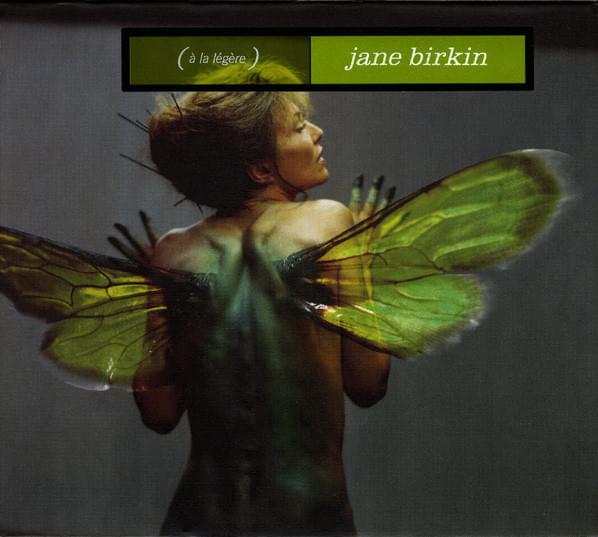
 View Artist