Song Meaning
Jane Birkin's "Love Slow Motion" unfolds like a bittersweet Nouvelle Vague film, dissecting the artifice and authenticity of love in the modern age. The lyrics, sung in Birkin's signature breathy style, paint a portrait of a relationship conceived in cinematic terms: 'Ils se sont croisés / Dans la première scène / D'un beau synopsis.' This initial encounter, framed as the opening scene of a screenplay, immediately suggests a self-conscious awareness, a performance of love rather than its spontaneous eruption. The phrase 'Love slow motion' acts as both a description and a plea, perhaps yearning for the drawn-out, dramatic intensity of classic cinema, but also acknowledging the inevitable deceleration and scrutiny that time imposes on even the most passionate affairs. It's a double-edged sword, this slow motion – allowing for deeper appreciation but also exposing every flaw.
The song meaning deepens as Birkin explores the inherent contradictions within love itself. The initial idyllic vision gives way to conflict: 'Comme un fumigène / Qui cache des "je t'aime" / Viennent les premières haines.' The smoke and mirrors of romance inevitably dissipate, revealing the underlying tensions and resentments. Yet, amidst the 'pluie de cris,' there remains a core connection, a persistent desire to recapture the initial spark. The reference to 'un simple numéro / Dans un jean / Flottant sur la seine' hints at a moment of pure, unadorned sensuality, a fleeting glimpse of genuine connection amidst the carefully constructed narrative. This image, juxtaposed with the broader cinematic framing, suggests that true intimacy lies not in grand gestures but in small, authentic moments.
Ultimately, "Love Slow Motion" finds solace in the cyclical nature of relationships. The return to 'Love slow motion / Amour passion' suggests an acceptance of love's inherent imperfections. The final verses explicitly equate love to a film: 'C'est le film de la vie / La seule solution / Lumière / Caméra / Action.' This is not a naive embrace of romantic idealism, but a knowing acknowledgment that love, like cinema, is a constructed reality – a blend of carefully curated moments and spontaneous outbursts. Birkin seems to suggest that the key to enduring love lies in embracing this inherent theatricality, in playing one's role with passion and vulnerability, even as the cameras roll and the credits threaten to appear.
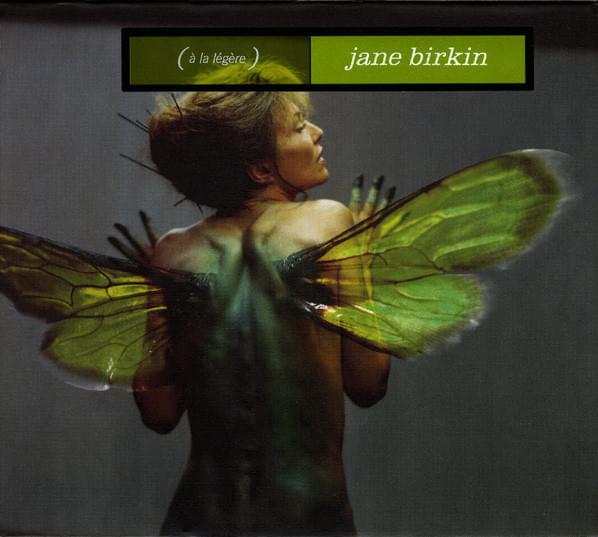
 View Artist