Song Meaning
Jane Birkin's "Kawasaki" isn't just a ride; it's a high-speed plunge into the reckless heart of youthful abandon and impending tragedy. The song pulses with the thrill of speed, narrated by a woman deeply entwined with her motorcycle and the outlaw allure of a "gang." The opening verses celebrate the machine's power, the intoxicating rush of pushing limits as the "aiguille" hits 200. But this isn't mere exhilaration; it's a flirtation with danger, a conscious embrace of the "gout d'risque et de sang" that lingers on her tongue. The Kawasaki becomes a symbol of freedom, rebellion, and a desperate need to escape something, perhaps the mundane or the predictable.
The lyrics hint at a possessive, almost primal connection to the bike and the gang. The threat of violence against anyone who touches what's hers underscores a territoriality fueled by insecurity. This possessiveness is a mask, deflecting from a deeper vulnerability exposed as the ride becomes more perilous. The repeated "BANG!" isn't just the sound of a gunshot or an engine backfiring; it's the jarring intrusion of reality, the inevitable consequences of living life on the edge. Each near miss, each close call, amplifies the underlying tension.
As the song progresses, the initial bravado crumbles, replaced by mounting panic. The mechanical precision gives way to chaos. The exploding tire is a stark metaphor for the fragility of life and the illusion of control. The final verse reveals the tragic core of the song meaning: the delicious taste of risk turns sour. "Kawasaki" is a cautionary tale, a reminder that the pursuit of freedom can lead to self-destruction, and that the line between exhilaration and tragedy is often thinner than a motorcycle tire.
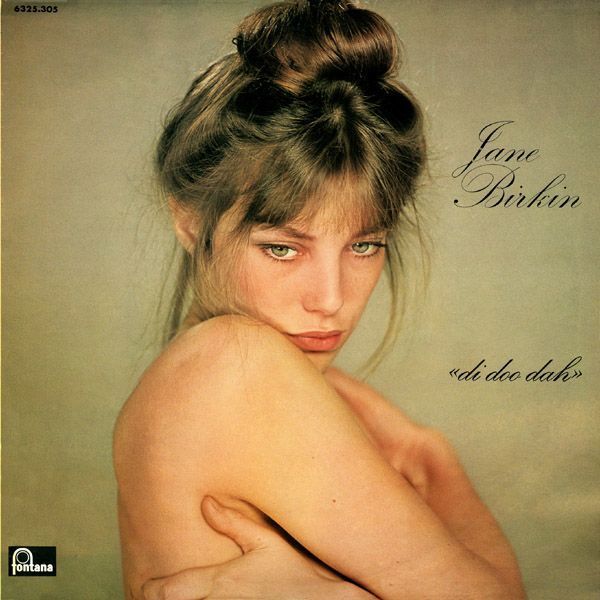
 View Artist