Song Meaning
Jane Birkin's "Exercice en Forme de Z" is less a conventional song than a linguistic playground, a whimsical exploration of the letter 'Z' that veers into the surreal. The lyrics, a torrent of 'Z' words strung together, create a playful, almost nonsensical narrative centered around a character named Zazie and a mysterious bird. This isn't about plot; it’s about the sonic texture and the sheer joy of language itself. The song's meaning lies not in a decipherable story, but in its free-associative spirit. It's an exercise in phonetics, a celebration of the absurd, and a gentle poke at the listener's expectations of narrative coherence. It evokes a child's fascination with words and sounds, a pre-rational delight in the building blocks of communication.
The lyrics dance between concrete images – Zazie at the zoo, a wind blowing, an island bird caught in a zoom lens – and abstract concepts. The paparazzi, the 'visionary killer of Mozart's scherzi,' introduces a darker, more cynical note, hinting at the intrusive nature of celebrity culture and the commodification of art. Yet, even this darker element is filtered through the song's overall playfulness. The recurring motif of the 'oiseau des îles' (island bird) being captured by a zoom lens could symbolize the loss of freedom or the objectification of beauty. However, it's presented with such a light touch that it never becomes heavy-handed. The 'zebra' who is 'shot down' by Zazie with a kiss, subverts this reading. It is a playful reversal, reinforcing the song's overall message of joyful subversion.
Ultimately, "Exercice en Forme de Z" invites the listener to abandon the search for a definitive 'song meaning' and instead embrace the sheer sonic pleasure of the words. It's a reminder that language can be a playground, a space for experimentation and delight. Birkin's delivery, with its characteristic breathy intimacy, reinforces this sense of playful exploration. She's not just singing the words; she's inviting us to join her in a game of linguistic hide-and-seek, where the real treasure is the act of playing itself. It’s a Dadaist exercise set to music, challenging our assumptions about what a song can be and how it can communicate.
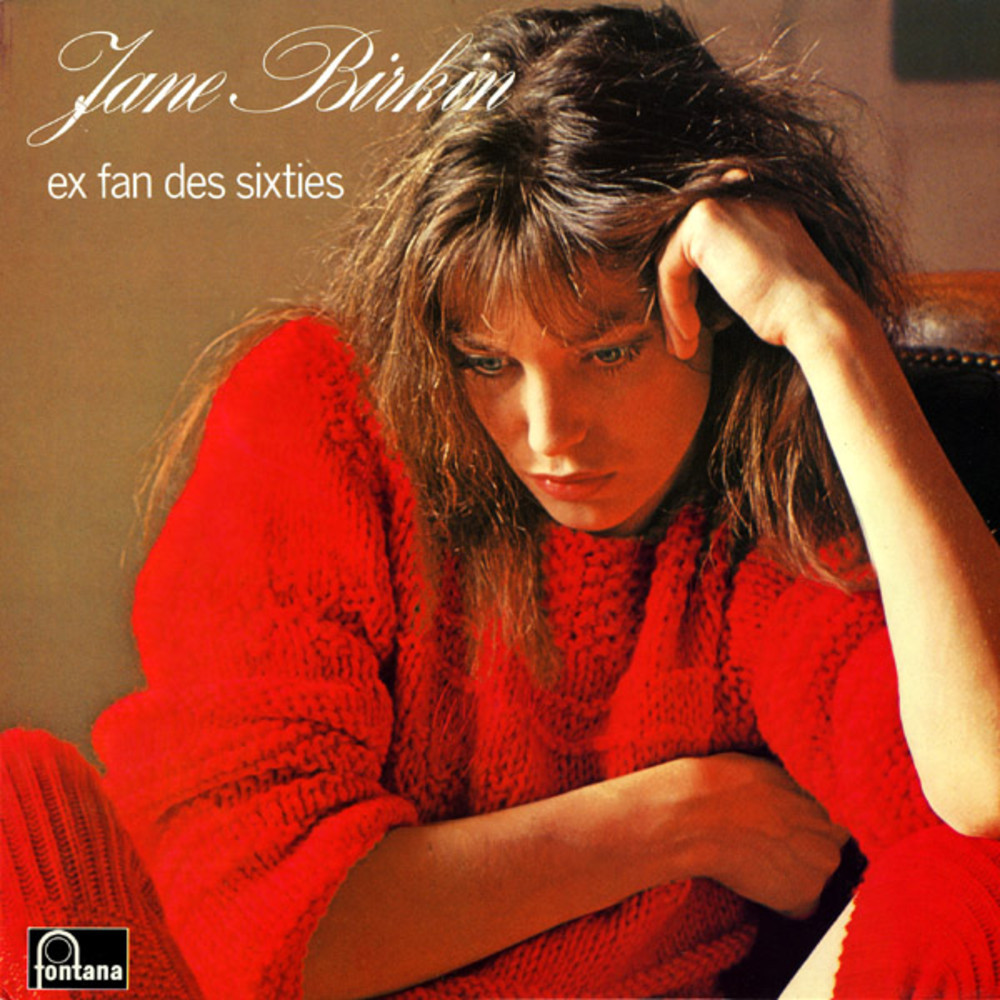
 View Artist