Song Meaning
The lyrics paint a vivid picture of autumn's arrival, marked by the fiery red of rowan trees and the golden hues of birch leaves rustling in the wind. A sense of melancholic beauty pervades as the narrator observes the natural world preparing for change, with migrating cranes high in the sky and rain-soaked sand on the shore. This shift in seasons mirrors an internal state, a quiet contemplation of what has passed.
The central tension arises from a poignant absence, specifically the disappearance of a "väike viirelind" (little tern). The narrator admits to being unable to find this creature, suggesting a loss that is both personal and perhaps metaphorical. This loss is directly contrasted with the memory of a past relationship, described as "Nii hell ja hea, kõik oli siis" (So tender and good, all was then), a time of "Suurt õnne" (great happiness) that has been swept away by the "Külm sügistuul" (cold autumn wind), leaving only dreams behind.
The most striking craft element is the cyclical return of the opening imagery – the rowan tree and the birch tree – juxtaposed with the lingering warmth of summer. While the cold wind of autumn signifies loss and departure, the lyrics assert that "suvi soe ei iial meelest läe / Ta südamesse alles jääb" (warm summer never fades from memory / It remains in the heart). This suggests that even amidst the chill of present loss, the enduring warmth of cherished memories provides a form of solace and continuity.
This lyrical construction is effective because it grounds abstract feelings of loss and nostalgia in concrete, evocative natural imagery. The gentle, almost passive observation of the changing seasons creates a reflective mood, making the sudden mention of personal loss feel all the more impactful. The contrast between the external signs of autumn and the internal persistence of summer's warmth offers a nuanced perspective on how we process change and hold onto what matters.
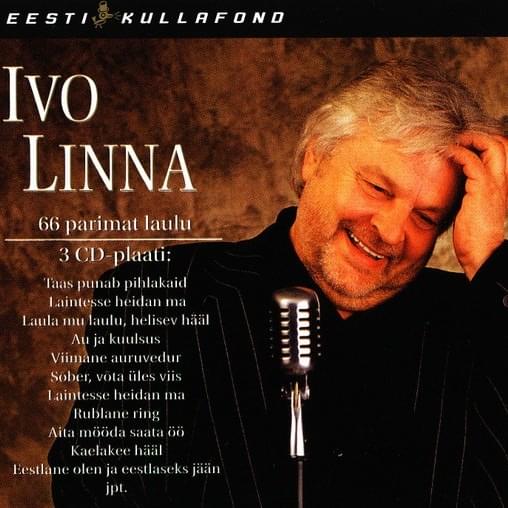
 View Artist