Song Meaning
The lyrics open with a roll call of famous inventors and their creations, from Watt and the kilowatt to Gillette and the safety razor, Sassoon and shampoo, and finally, Edison and the phonograph. This establishes a world where great minds are recognized for their tangible contributions, their names forever linked to their innovations. The repeated exclamation of "Thomas Alva Edison!" emphasizes his iconic status, positioning him as a pinnacle of human ingenuity.
However, this grand narrative of invention is immediately juxtaposed with a peculiar, almost whimsical refrain about Mary and her small, white horse, a "tall." This horse, described as always following her, introduces a personal, slightly absurd element that contrasts sharply with the objective achievements of the inventors. It’s a grounding, almost mundane image that begins to shift the focus away from grand, public accomplishments.
The lyrics then pivot to Edison himself, noting he lacked a horse, a "tall." Instead, he had a "clever mind under his hair." This highlights a contrast between material possessions or simple companions (like Mary's horse) and intellectual prowess. Though Edison is described as "a little deaf, but not mute," his communication is through a "black microphone," leading to a nonsensical "dumdidiridibumm." This suggests that even the greatest inventor’s output can sometimes sound like gibberish or be difficult to decipher, a playful jab at the nature of innovation and communication.
The song then seems to encourage further invention with the line, "If you understand this sonnet, then keep inventing and tinkering!" It reiterates the call to invent, particularly with the desire for a bicycle that never breaks a chain. Yet, the insistent return of Mary and her ever-present horse serves as a constant, gentle reminder that while grand inventions are celebrated, there are also simple, persistent elements in life that follow us, regardless of our achievements. The effectiveness lies in this playful contrast between the monumental world of invention and the simple, enduring presence of the personal, symbolized by Mary's horse.
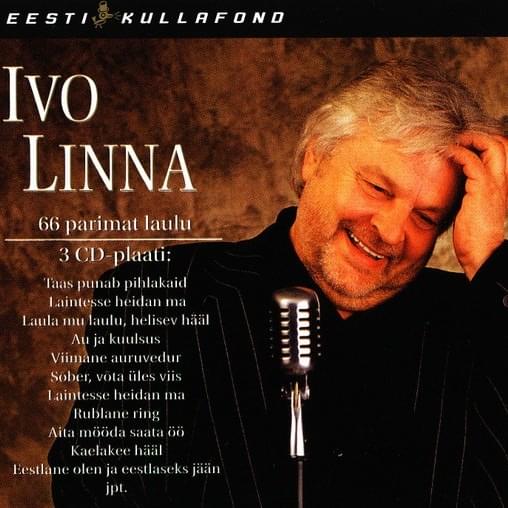
 View Artist