Song Meaning
Ivan Lins' "Menino" isn't just a song; it's a visceral yearning for lost innocence, masked in deceptively simple language. The repeated phrase "Me agarro nesse menino" (I cling to this boy) acts as both a confession and a desperate plea. It speaks to a profound attachment, not necessarily romantic, but deeply psychological. The boy, described with eyes "aguada de tamarindo" (watering with tamarind) and days "sadios" (healthy), represents a state of purity and freedom that the narrator has seemingly lost. He’s a symbol of untainted joy, a stark contrast to the complexities of adulthood hinted at by the lines about children sleeping and needing keys to open gates.
The lyrics reveal a complex interplay between dependence and fear. The narrator admits needing the boy’s "água de mina" (spring water) to cleanse their days, suggesting a reliance on this youthful spirit for rejuvenation and a return to simpler times. Yet, there’s a palpable anxiety woven throughout. The recurring question, "Será que ele cresce? / Me faz pouco caso / E um dia me esquece?" (Will he grow up? / Will he disregard me? / And one day forget me?) betrays a deep-seated fear of abandonment and the inevitable loss of this precious connection. This isn't mere affection; it’s a fragile symbiosis, where the narrator's sense of wonder is inextricably linked to the boy's enduring innocence.
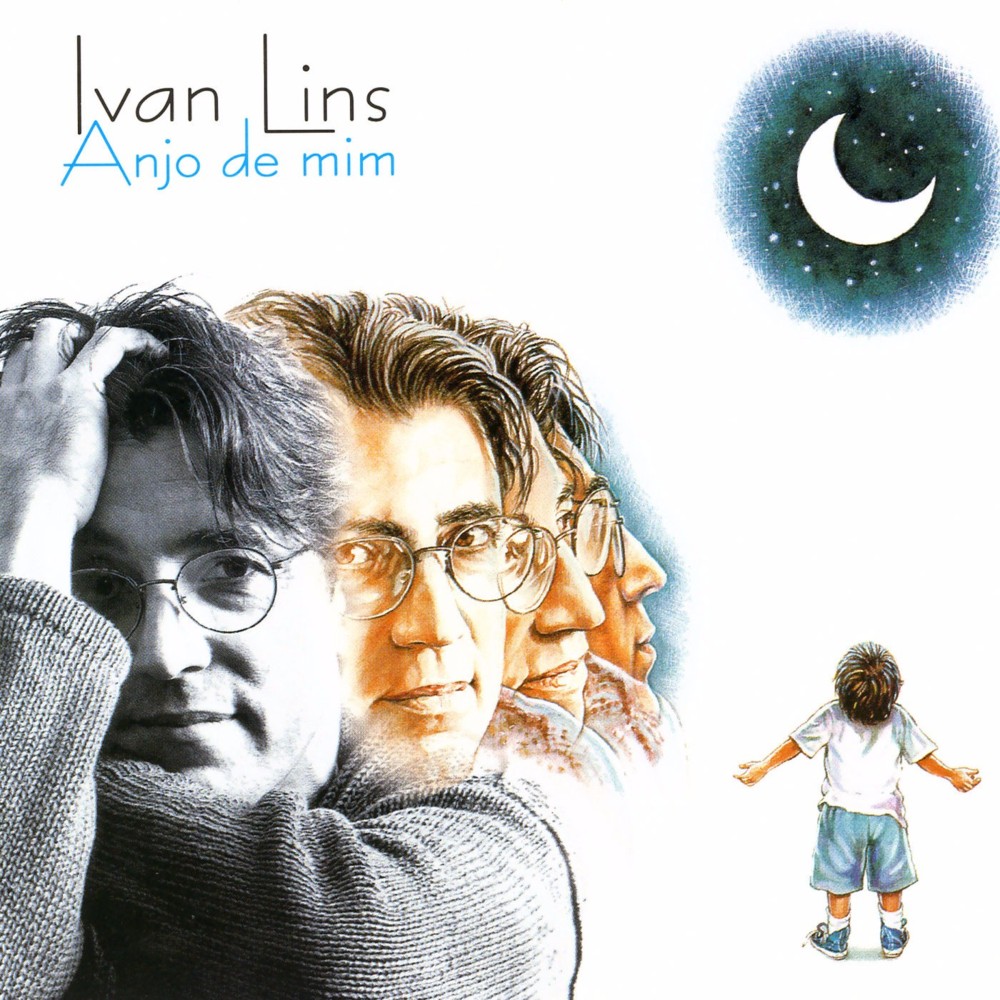
The final verses cement the song's central theme: the internal child. The narrator confesses, "Preciso desse menino, que eu carrego aqui dentro / Sem ele eu perco todo encantamento por ter crescido" (I need this boy, whom I carry inside me / Without him I lose all enchantment for having grown up). This revelation reframes the entire song. The boy is not just an external figure, but an essential part of the narrator's psyche. "Menino," in this light, becomes a poignant exploration of the struggle to maintain a sense of wonder and joy in the face of adult responsibilities and the erosion of youthful idealism. The song’s brilliance lies in its ability to capture the universal human desire to reconnect with our inner child, even as we grapple with the realities of growing older.
 View Artist