Song Meaning
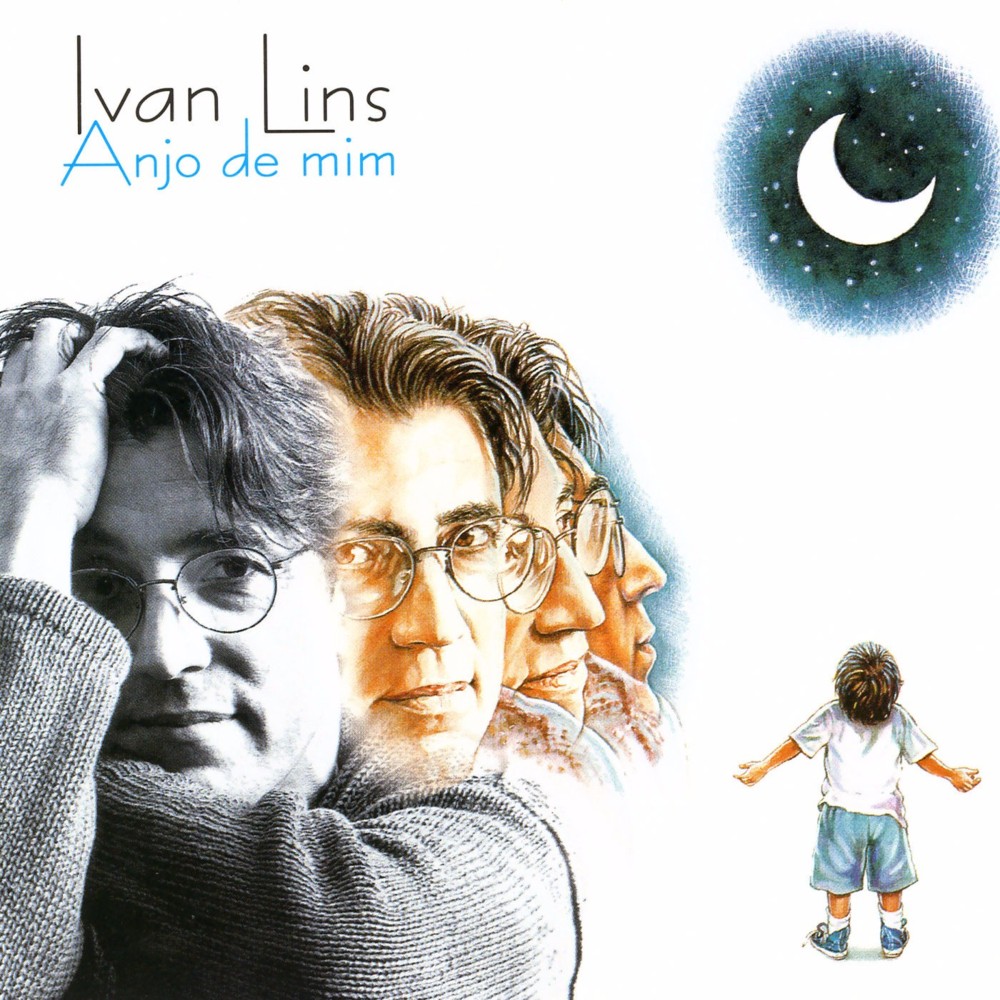
Ivan Lins' "Anjo de Mim" isn't just a love song; it's a distilled essence of devotion, a whispered prayer set to a bossa nova pulse. The lyrics, though simple, are potent with a childlike sincerity, evoking the feeling of utter dependence and adoration. Lins isn't merely singing about love; he's embodying the vulnerability of surrendering oneself completely to another. The phrase "Anjo de mim" (Angel of me) immediately establishes the beloved as a guardian, a guiding force, someone intrinsically linked to the singer's very being. This isn't a casual affection; it's a profound connection that shapes his existence.
The repeated professions of love—"Meu quero mais," "Meu querer bem," "Meu querubim"—underscore the overwhelming nature of this emotion. It's a desire that transcends simple wanting; it's a need for the other person's well-being and presence. The invocation of Jobim ("Em noite Jobim") isn't accidental. It anchors the song within the sophisticated, romantic tradition of Brazilian music, suggesting a love that is both elegant and deeply felt. The song moves beyond the personal, hinting at something divine.
Ultimately, "Anjo de Mim" expresses the desire for protection and care: "Cuida de mim" (Take care of me). The plea "Me leva, me leva" (Take me, take me) encapsulates the longing to be swept away, to relinquish control and trust completely in the other's guidance. The image of water belonging to the sea ("Água é do mar / Como eu sou teu") is a powerful metaphor for belonging and interconnectedness, suggesting that the singer's identity is inseparable from the object of his affection. The song becomes a testament to the transformative power of love, a force that can both elevate and humble us.
 View Artist