Song Meaning
Ismael Serrano's "Testamento Vital" isn't a morbid farewell, but a tender, clear-eyed acceptance of life's inevitable end. The song delicately navigates the complex emotional terrain surrounding death, framing it not as a tragedy, but as a 'pequeño milagro' – a small miracle. The lyrics paint a scene of peaceful departure, where 'ella' (she) asks for the windows to be opened so she can 'marchar' (leave), and requests that her passing be celebrated rather than mourned. The 'tarde naranja' (orange afternoon) acts as a poignant metaphor for the twilight of life, a time of reflection and release. Serrano isn't just singing about death; he's exploring the psychological weight of saying goodbye. The repeated phrase 'arderé en una estrella' (I will burn in a star) suggests a transcendence, a transformation into something beautiful and enduring, offering comfort and a sense of continuity beyond physical existence.
The song subtly explores the interplay between the dying and the bereaved. 'Él' (he), presumably a loved one, is tasked with fulfilling her wishes, opening the windows, and celebrating her life. This act of honoring her 'última ofrenda' (last offering) becomes his own form of healing. There's a shared understanding, a pact made explicit in the line 'Elegimos el camino, también al fin del trayecto' (We chose the path, also at the end of the journey). This speaks to the importance of agency and shared decision-making in the face of mortality, empowering both individuals in their respective roles. The dreamlike imagery of 'ella' being pricked by a spindle and not waking up evokes a sense of fairytale-like acceptance, a gentle surrender to fate.
Ultimately, "Testamento Vital" is a meditation on the beauty of existence, amplified by its fleeting nature. Serrano uses vivid imagery and emotionally resonant language to reframe death as an integral part of the life cycle, something to be acknowledged and even celebrated. The recurring motif of the 'pequeño milagro' underscores the preciousness of each moment, the miracle of connection ('Conocerte aquí, todo aquello que fuimos' - Knowing you here, all that we were), and the enduring power of love in the face of loss. The song invites us to confront our own mortality with grace and to find solace in the shared human experience of life and death.
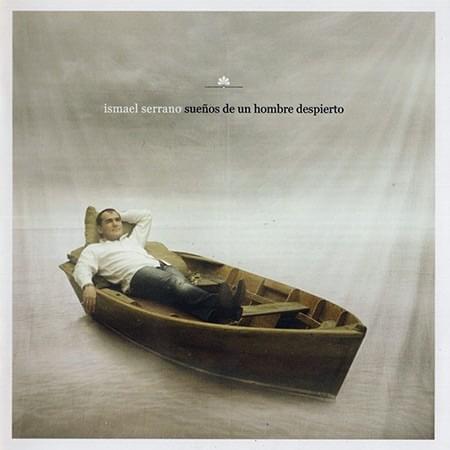
 View Artist