Song Meaning
Ismael Serrano's "México Insurgente" isn't just a song; it's a potent sonic snapshot of a moment in time, a fiery ballad steeped in the revolutionary fervor of the Zapatista uprising in Chiapas, Mexico. The lyrics, though simple in structure, pulse with a deep historical consciousness. Serrano doesn't just recount events; he actively invokes the spirits of past revolutionaries like Emiliano Zapata and Che Guevara, drawing a direct line between their struggles and the contemporary fight for land and liberty led by Subcomandante Marcos. This isn't detached journalism; it's an emotionally charged endorsement of a movement. The song invites us to consider the psychological underpinnings of rebellion – the unbearable weight of oppression that drives people to risk everything for a chance at dignity. Serrano understands that the act of resistance, even in the face of overwhelming power, can be a profound assertion of self-worth.
The chorus, with its repeated calls for "tierra y libertad" (land and liberty), functions as both a rallying cry and a statement of core beliefs. The lyrics paint a picture of a struggle rooted in centuries of exploitation, where the indigenous communities of Chiapas have been marginalized and forgotten. Serrano isn't just romanticizing revolution; he's highlighting the desperation that fuels it. The line "Mejor que morirse de hambre es pelear con dignidad" (Better to die fighting with dignity than to die of hunger) cuts to the heart of the matter. It's a stark recognition that for many, revolution isn't a choice but a necessity, a last resort against a system that offers them nothing. The song cleverly utilizes the symbolic weight of figures like Pancho Villa and Emiliano Zapata to legitimize the Zapatista cause, framing it as a continuation of Mexico's long and complicated history of resistance against tyranny.
Ultimately, "México Insurgente" functions as a powerful act of solidarity. Serrano, through his evocative lyrics and passionate delivery, amplifies the voices of the voiceless and challenges listeners to confront the uncomfortable realities of inequality and oppression. The song's meaning transcends its specific historical context, tapping into universal themes of social justice, resistance, and the enduring human desire for a better world. It's a reminder that the fight for dignity is a continuous one, and that the echoes of past struggles can still resonate powerfully in the present.
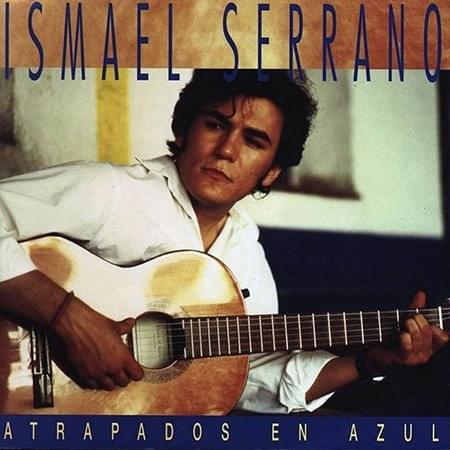
 View Artist