Song Meaning
Ismael Serrano's "Amo Tanto La Vida (Live)" isn't just a love song; it's an exploration of how deeply intertwined love and the will to live can become. The opening lines, "Amo tanto, tanto la vida, que de ti me enamoré," immediately establish this connection. Love isn't just a feeling; it's a life force, a reason to greet the dawn with anticipation. But Serrano quickly introduces a darker undercurrent. The fear of loss, of that life force being extinguished, permeates the song, raising the stakes. The question, "¿en qué calle moriré yo?" isn't literal; it's a stark metaphor for the existential void that awaits if love is lost. The reference to a "portazo," a slammed door, amplifies the finality of the potential heartbreak. Serrano uses vivid imagery to paint a picture of a relationship teetering on the edge.
The second verse introduces conflict. The line "Estás tan bonita esta noche, te sienta el pelo recogido tan bien" portrays a fragile beauty amid turmoil, before descending into "Lloras, gritas, bajo la lluvia, como el ángel Lucifer." Serrano uses this comparison to the fallen angel to hint at a primal battle being waged between the lovers. The phrase "mala tierra trágame" is a desperate plea, a desire for the earth to swallow him whole rather than face the pain of the present moment. It’s a raw and visceral expression of anguish.
The latter half of the song moves into the territory of obsession and commitment. Serrano sings, "Y de amarte tanto, tanto, puede que no te ame bien," acknowledging that the intensity of his love might be flawed or even damaging. He then employs a powerful hypothetical: "Si yo fuera tu asesino conmigo nunca tendría clemencia / Y me condenaría a muerte, que es condenarme a tu ausencia." This is not a literal threat, but a symbolic representation of the self-inflicted pain that comes with losing the object of one's affection. Finally, the song takes a resolute turn with the reference to Casablanca. Serrano rejects the tragic ending of Rick and Ilsa, declaring, "Que no haya mas despedidas, que no eres Ilsa Lazlo ni yo Rick Blaine / Ni yo soy tan idiota, no te dejaría ir con él." He refuses to let his love go, vowing to accompany her on the "próximo avión" and remind her of "el camino de regreso." This ending shows a determination to fight for the relationship, even if it means deviating from the romanticized tropes of heartbreak.
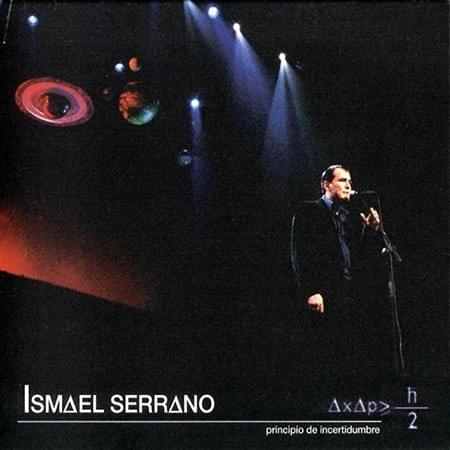
 View Artist