Song Meaning
The lyrics open with a series of gentle reassurances, telling someone they don't need to perform grand feats. The speaker insists the "Tu" doesn't need to "change the world halfway" or "break down walls." Instead, the focus shifts to the speaker's internal, profound response to the "Tu." This immediate pivot from external action to internal impact sets a deeply intimate tone.
A core tension emerges between the "Tu's" perceived need to act and the speaker's deep conviction that their mere presence is enough. The "Tu" is told they don't need to "throw the sun at my feet" or "stop the Earth from turning." This hyperbole underscores the speaker's desire to free the "Tu" from any burden of expectation, emphasizing an almost unconditional appreciation that doesn't require cosmic intervention.
The lyrical craft hinges on a powerful contrast and striking imagery. Each "Tu n'as pas besoin" statement, outlining an impossible or self-sacrificing act, is immediately followed by the speaker's "Je n'ai qu'à" (I only have to) lines. These reveal the profound, often existential, impact the "Tu" has. For instance, without the "Tu," the speaker claims "life escapes through me," while simply "leaning my night on you" brings "light deep inside me." This juxtaposition makes the "Tu's" inherent value undeniable.
These lyrics are incredibly effective in conveying a deep, almost overwhelming emotional dependence and admiration. By dismissing grand gestures and focusing on the internal resonance, the speaker articulates a love that is not earned through effort but simply exists. The repeated structure and escalating imagery of light, life, and cosmic power make the connection feel both intimate and universally significant, suggesting the "Tu" is a vital source of meaning for the speaker.
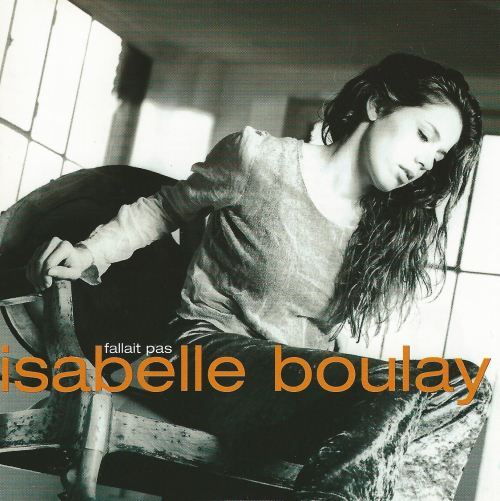
 View Artist