Song Meaning
The lyrics paint a stark picture of a life trapped in a cycle of despair and regret. There's a pervasive sense of helplessness, where calls for help go unanswered and hearts are metaphorically "pierced." The passage of time feels distorted, with days counted elsewhere mirroring the slow crawl of years at home. This creates an overwhelming atmosphere of stagnation, where the present is consumed by past trauma and future hope is extinguished.
The central tension lies in the narrator's profound shame and pain, coupled with an inability to escape it. They describe picking up dreams "in pieces in their flesh," suggesting deep personal wounds. This internal suffering is so consuming that it leaves "never more space / For tomorrow than for yesterday." The repeated phrase "J'ai mal, j'ai honte" (I hurt, I am ashamed) underscores this inescapable emotional burden, likening their constant hunger for solace to that of a child.
A striking image is the idea of "shipwreck without ever getting wet," implying a profound internal collapse that doesn't manifest externally. This is amplified by the feeling of "sleeping in a cage / The key under the pillow," suggesting a self-imposed or inescapable confinement where the means of freedom are present but inaccessible. The contrast between this internal prison and the offered sanctuary of "your open arms" provides a glimmer of hope, a space where change is possible, bridging the gap between past and future.
What makes these lyrics resonate is their raw, unflinching portrayal of emotional desolation. The simple, direct language, like the repeated "J'ai mal, j'ai honte," bypasses complex metaphor to hit with immediate emotional force. The juxtaposition of external suffering and the internal, almost physical pain of broken dreams creates a powerful sense of shared human vulnerability, even within a specific, bleak narrative.
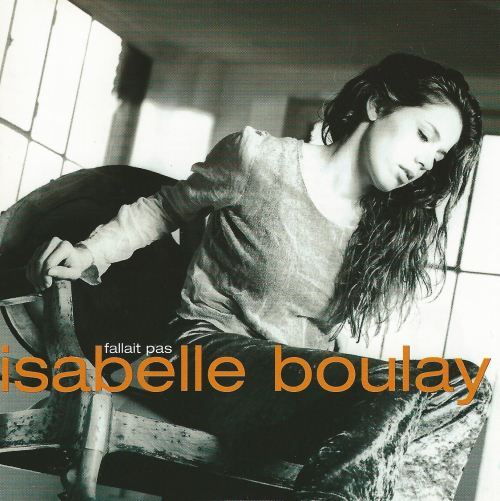
 View Artist