Song Meaning
The lyrics introduce a mysterious, resilient figure, "El Aparecido," who moves through the landscape with an almost supernatural grace. He's a beacon for the downtrodden, yet a target for powerful, unseen forces. An urgent warning to "Correlé que te van a matar" immediately signals mortal danger, setting a frantic tone.
A profound tension drives these verses: the Aparecido's unwavering resilience and self-sacrifice against the relentless, violent pursuit by the powerful. He "Nunca se quejó del frío," embodying an almost stoic endurance as he traverses the "cerros," while his enemies are depicted as predatory "cuervos con garra de oro," highlighting their greed and brutal intent. This stark contrast between his humble strength and their opulent cruelty defines the central conflict.
The most striking element is the abrupt shift from descriptive narrative to the frantic, repeated command, "Correlé, correlé, correlá." This direct address pulls the listener into the immediate peril, transforming the narrative into a desperate, almost breathless plea for survival. It contrasts sharply with the earlier, almost poetic descriptions of his elusive movement, emphasizing the sudden, brutal reality of the hunt and the urgency of escape. The repetition itself mimics the pounding heart of someone running for their life.
The lyrics achieve their impact by crafting a figure who is both mythic and deeply human in his suffering. The religious allusion, "Como lo ha crucificado / La furia del poderoso," elevates his persecution to a universal struggle against oppression, giving his plight a profound weight. By portraying him as "Hijo de la rebeldía" who "regala su vida," the text creates a poignant image of a leader whose very existence and generosity provoke a deadly response, making his story both tragic and inspiring. This blend of resilience, sacrifice, and relentless pursuit resonates powerfully.
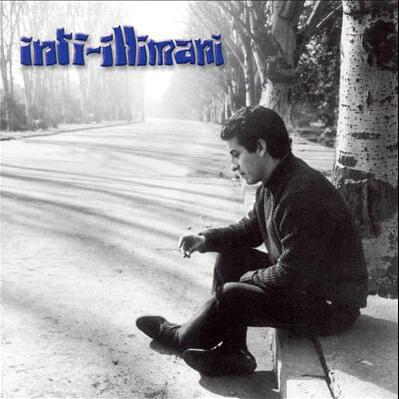
 View Artist