Song Meaning
These lyrics paint a vivid, almost mythic portrait of a figure whose essence was both nurturing and revolutionary. His voice was sustenance, his soul forged from the earth's core. This is a profound tribute to a powerful, fallen leader.
A core tension emerges from the blend of natural, life-giving imagery with hard, industrial, and militant metaphors. The figure's "voice" was "trigo y maíz" (wheat and corn), suggesting essential sustenance. Yet, his "alma de cobre, pan y carbón" (soul of copper, bread and coal) speaks to a hardworking, foundational strength. This duality suggests a life dedicated to both sustaining and struggling.
The transformation of the figure's "canto" (song) is particularly striking. It begins as a "flor de metal" (flower of metal), then becomes a "grito de multitud" (cry of the multitude), and finally an "arma en el puño trabajador" (weapon in the worker's fist). This progression shows how art and voice become instruments of collective action and resistance, evolving from beauty to a tool for change.
The lyrics culminate in a powerful vision of legacy, where death is not an end but a transformation. The image of "El pueblo así te regará" (the people will water you thus) "en un jardín de luz" (in a garden of light) turns sacrifice into a source of ongoing inspiration. He is declared a "clarín de lucha y amor" (bugle of struggle and love), ensuring his spirit will forever resonate as the "¡Canto de Chile serás!" (song of Chile!). This defiant hope makes the tribute deeply moving.
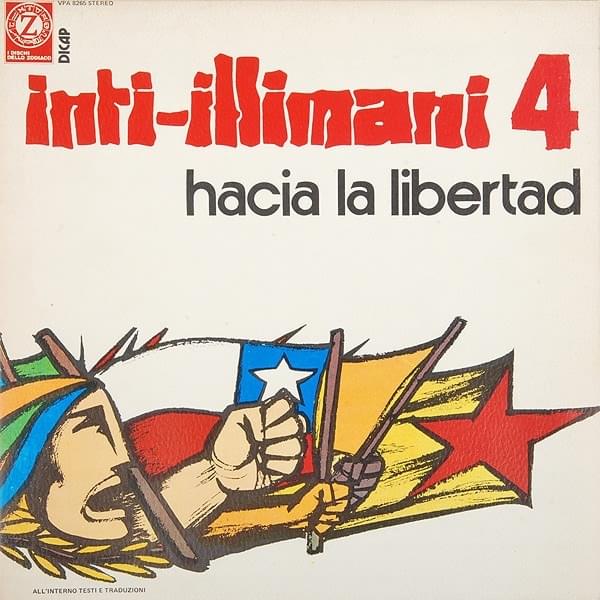
 View Artist