Song Meaning
The lyrics open with a stark declaration: "ひとりきり" (all alone), setting the stage for a deeply personal and hidden narrative. This initial solitude frames the subsequent confession of love, which, when exposed, immediately vanishes. The narrator grapples with the futility of these feelings, concluding that thinking of the other person is a waste, yet this realization only intensifies the "secret" nature of their affection. It’s a cycle of exposure and retraction, where vulnerability leads to disappearance.
The central tension lies in the unrequited and unspoken nature of this love. The narrator acknowledges a degree of control, stating it's not forced and that they are maintaining their reason, yet they also describe themselves as "勝手に堕ちてく秘密" (secretly falling on their own). This internal conflict between conscious restraint and involuntary emotional descent creates a poignant sense of helplessness. The love is described as a "結晶" (crystal) that cannot be given, a tangible yet inaccessible artifact of their feelings.
A striking aspect of the craft is the fragmented imagery used to represent the lost love. The narrator holds onto "言葉の破片" (fragments of words) and "名場面" (famous scenes), suggesting that the entirety of the connection is gone, leaving only broken pieces. This echoes the idea of a love that was never fully formed or communicated, existing only in these shattered remnants. The repetition of "誰にも届かないの" (cannot reach anyone) and "あたししか知らないの" (only I know) powerfully emphasizes the isolation and the intensely private world this love inhabits.
Ultimately, the effectiveness of these lyrics stems from their raw portrayal of internal struggle and the quiet despair of unexpressed love. The narrator’s self-awareness of the futility, coupled with the inability to stop the emotional fall, creates a relatable sense of longing and regret. The final lines, questioning where these words are meant to go and acknowledging the battle between truth and lies, encapsulate the painful paradox of holding onto a love that is both intensely real to the speaker and utterly inaccessible to its object.
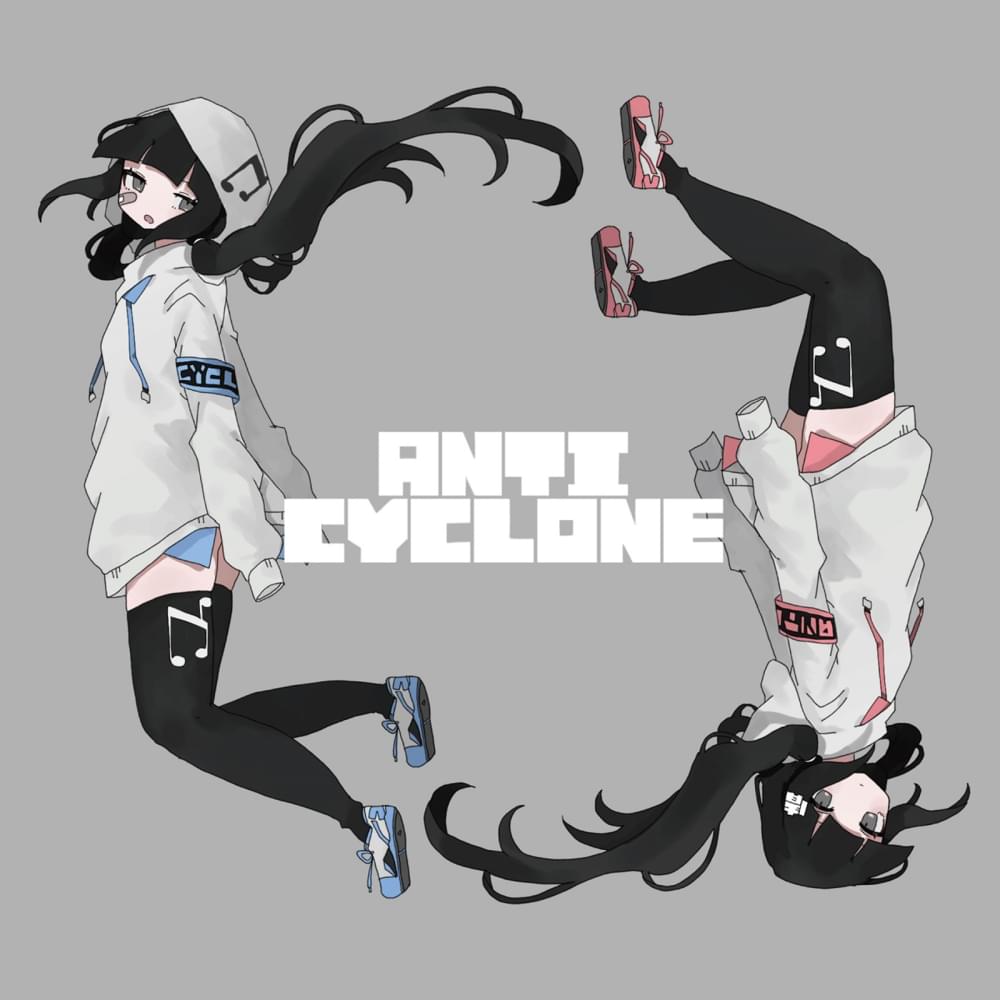
 View Artist